
Rainwater Harvesting in Malaysia: A Simple Step Towards a Greener Planet
As climate change continues to impact weather patterns across the globe, Malaysia is no exception. From flash floods to prolonged dry spells, water management has become more crucial than ever. One effective and sustainable solution lies right above us: rainwater harvesting. By collecting and reusing rainwater, Malaysians can help conserve natural resources, reduce water bills, and take an active step towards environmental sustainability.
What Is Rainwater Harvesting?
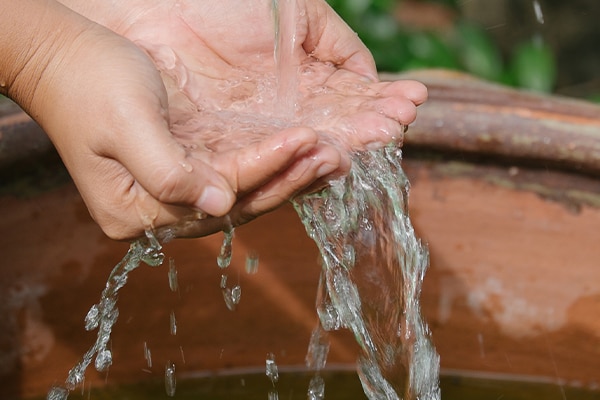
Rainwater harvesting refers to the process of collecting, storing, and using rainwater that falls on rooftops, gardens, or open surfaces. This water, which would otherwise flow into drains or get wasted, can be stored in tanks or barrels for non-potable uses such as watering plants, washing cars, flushing toilets, or even cleaning floors. With proper filtration and treatment systems, harvested rainwater can also be made safe for drinking and cooking.
Why Rainwater Harvesting Matters in Malaysia
Malaysia receives an average of 2,500 mm of rainfall annually, making it one of the wettest countries in the world. However, despite this abundance, many areas still face water shortages during dry seasons due to over-reliance on treated water and inefficient water management. Rainwater harvesting helps bridge this gap by promoting self-sufficiency and reducing demand for public water supply systems.
1. Reducing Water Bills

One of the most practical benefits of rainwater harvesting is cost savings. By using collected rainwater for daily chores, households and businesses can significantly reduce their monthly water bills. Over time, this translates into substantial savings while also easing pressure on municipal water treatment facilities.
2. Flood Mitigation
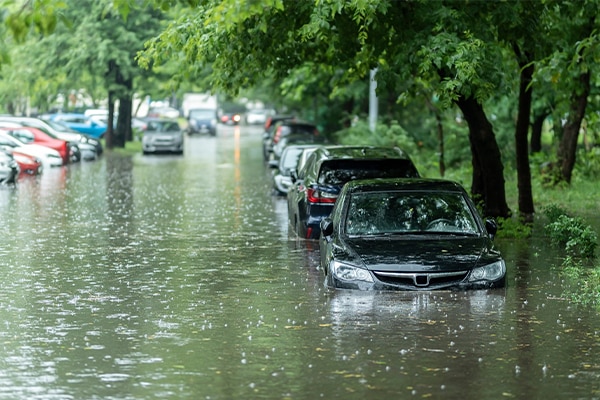
Urban flooding is a recurring issue in Malaysia, especially in cities like Kuala Lumpur. Collecting rainwater reduces surface runoff and reduces the burden on drainage systems during heavy rainfall. Widespread adoption of rainwater harvesting systems can help minimise flood risks and improve urban resilience.
3. Environmental Sustainability
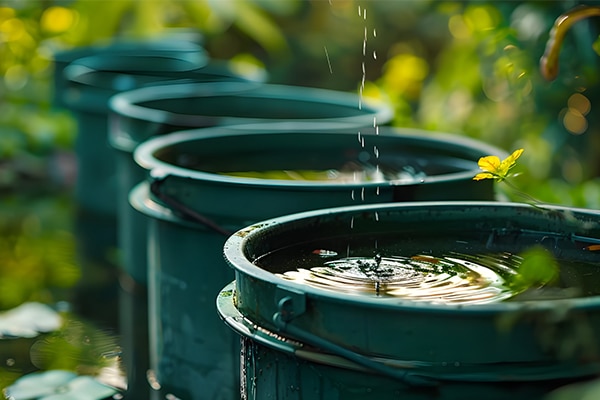
Harvesting rainwater is a simple yet impactful way to protect the environment. It reduces groundwater depletion, lowers the carbon footprint associated with water treatment and distribution, and encourages communities to use natural resources responsibly. For green-minded homeowners and businesses, adopting rainwater harvesting is a clear expression of environmental stewardship.
Government Initiatives and Support
To encourage sustainable water use, the Malaysian government has introduced various incentives and guidelines under the Rainwater Harvesting System (SPAH) initiative. New building developments are encouraged, and in some cases required, to include rainwater collection systems. Local councils also promote awareness programmes to educate citizens on the environmental and economic benefits of rainwater harvesting.
How to Start Rainwater Harvesting at Home
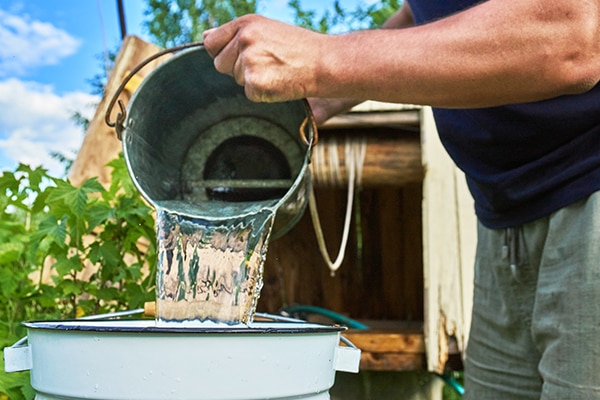
Setting up a rainwater harvesting system doesn’t require major infrastructure. Here’s how you can begin:
-
Install gutters and downpipes: Direct rainwater from your roof into a storage tank.
-
Use a filter system: Prevent leaves, dirt, and debris from entering the water.
-
Choose the right storage tank: Depending on your usage, tanks can range from small barrels to large underground reservoirs.
-
Regular maintenance: Clean filters and tanks periodically to maintain water quality. Always keep storage containers tightly covered to prevent mosquito breeding. Check for any stagnant water or larvae inside and around the tank and use fine mesh screens or larvicide if needed to avoid turning your rainwater system into a potential Aedes breeding ground.
Even small-scale setups can make a difference in reducing your environmental impact.
Challenges and Future Outlook
While harvesting rainwater offers numerous benefits, challenges remain. Public awareness is still limited, and initial installation costs can deter some homeowners. However, as Malaysia continues to face climate-related water issues, the long-term value of sustainable water management far outweighs short-term costs. With growing environmental awareness and government support, harvesting rainwater is poised to become a key component of Malaysia’s green future.
Begin Your Conservation Journey Today!
In a country blessed with abundant rainfall, rainwater harvesting is a simple yet powerful way for Malaysians to contribute to a greener planet. By turning every rainfall into an opportunity for conservation, we can collectively build a more sustainable and water-secure future.
Start your rainwater harvesting journey today — every drop counts towards a healthier planet.
Sources: