How to Stay Safe During Monsoon Season

How to Stay Safe During Monsoon Season: A Guide to Being Prepared
The monsoon season is a regular part of Malaysia’s climate, but its impact has become more serious in recent years. Understanding when the monsoon season happens and how to prepare helps families stay safe, especially during the December school holidays when many people travel.
What is monsoon season and when does it happen
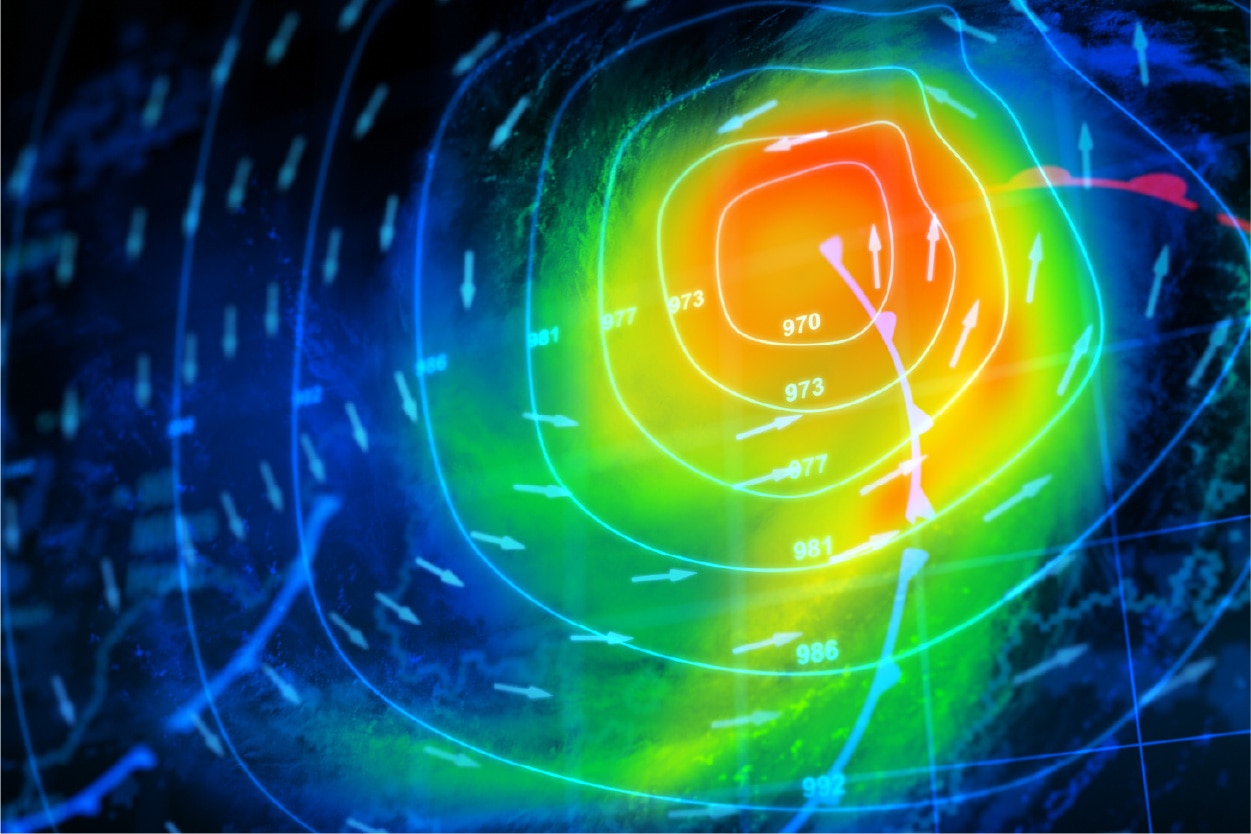
Malaysia experiences two main monsoon periods each year. The Northeast Monsoon usually takes place from November to March and brings heavy rainfall to states such as Kelantan, Terengganu and Pahang, as well as parts of Sabah and Sarawak. The Southwest Monsoon occurs from May to September and is generally drier but still brings thunderstorms.
Today, heavy rain is no longer limited to east coast areas. Klang Valley locations, including Kuala Lumpur and Selangor, now experience intense downpours that can cause flash floods, traffic disruption and property damage. This means more Malaysians need to stay alert during the monsoon season, even in urban areas.
Why the monsoon season needs attention
Prolonged rain can lead to flooding, landslides, fallen trees, road closures, and power outages. These risks affect homes, schools, businesses, and travel plans. During the December school holidays, families travelling for holidays or balik kampung should pay close attention to weather warnings and road conditions.
Warning signs to watch for
Early warning signs can help prevent dangerous situations.
● Rising water around drains, rivers, or low-lying roads is a key signal of possible flooding.
● Continuous heavy rain over several hours increases the risk of flash floods.
● Cracks in the ground, leaning trees, or unusual sounds near slopes may indicate landslides.
● Sudden traffic diversions or road closures may mean flooding ahead.
In many flood-prone areas, especially near rivers, siren warning systems are installed. These sirens sound when water levels exceed safe limits, and flooding is likely. If you hear these sirens, it is a serious alert to move to higher ground immediately and follow evacuation instructions.
Preparing an emergency kit
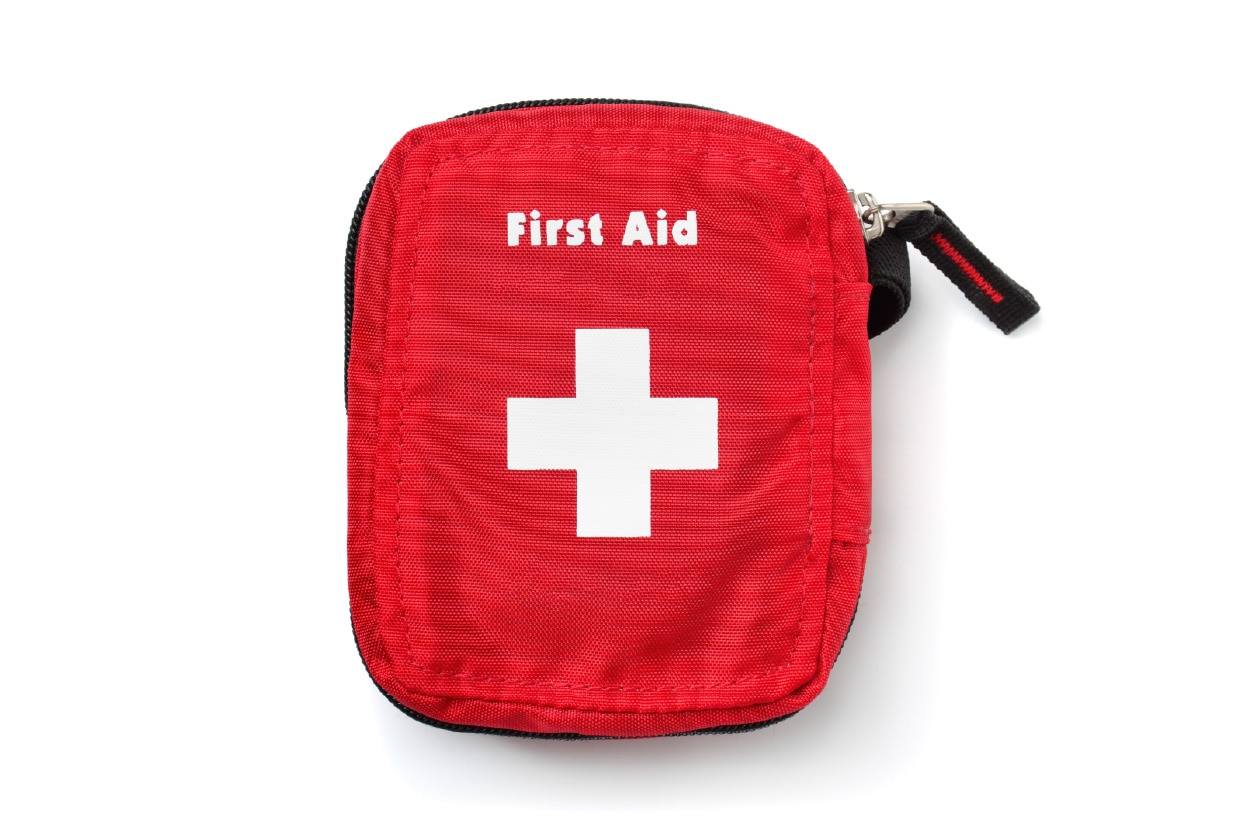
Every household should have a basic emergency kit ready during the monsoon season. This kit should be easy to grab if you need to move quickly.
Include clean clothes or towels, basic medicine, drinking water, and dry or easy-to-prepare food. Items like instant noodles are practical because they are lightweight, long-lasting, and easy to prepare during power or water disruptions. Torchlight, batteries, power bank, and basic first aid supplies should also be included.
Keep important documents such as identity cards, passports, insurance papers, and birth certificates in a waterproof folder or bag. Store it in an accessible place so you can grab it quickly if evacuation becomes necessary.
Health concerns during floods
Flood conditions can create serious health risks. Dirty floodwater may contain bacteria, sewage, and chemicals that cause skin infections, stomach illnesses, and respiratory problems. Mosquitoes often increase after floods, raising the risk of dengue and other mosquito-borne diseases.
To reduce risk, avoid direct contact with floodwater, when possible, wash hands and feet thoroughly after exposure, and drink only clean or boiled water. Keep wounds covered and seek medical attention if you develop fever, diarrhoea or skin rashes after flooding.
Staying safe during heavy rain and floods
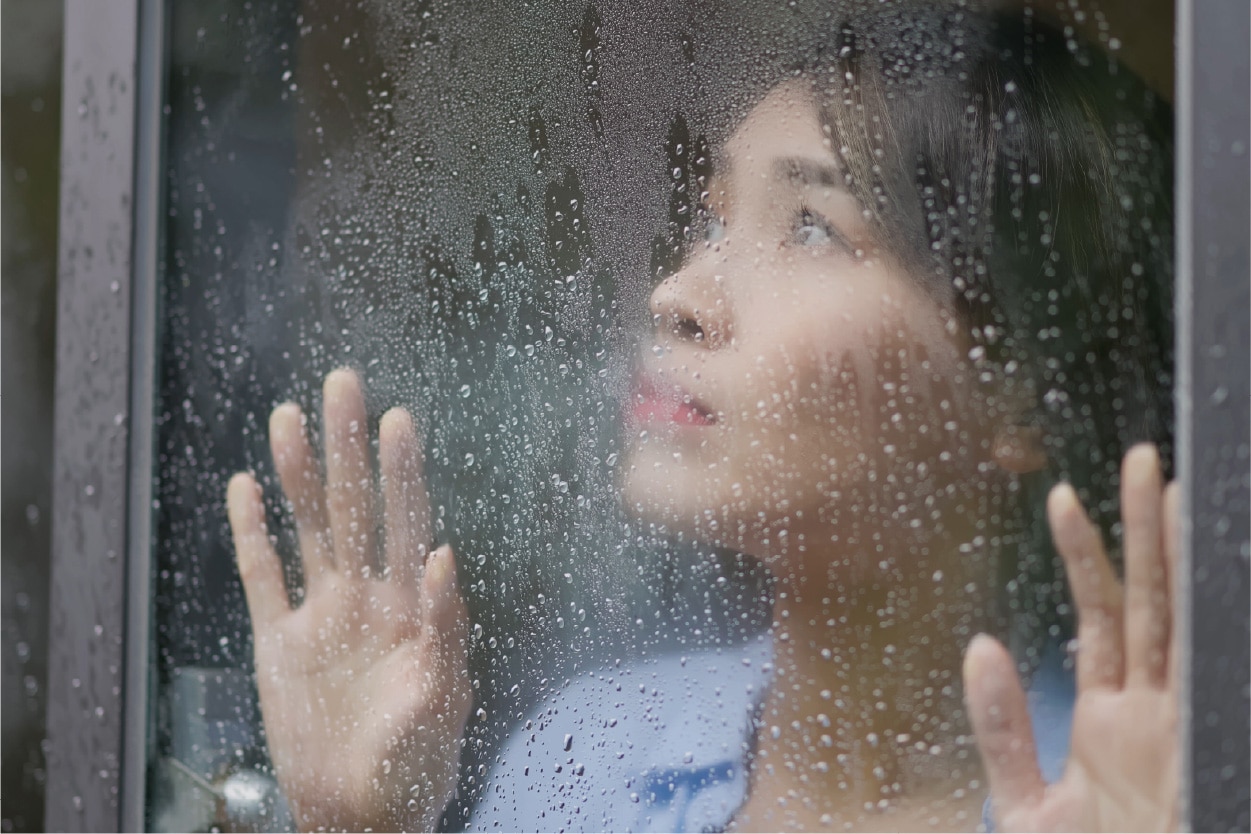
If water begins flowing into your home, switch off the electricity at the main switch to reduce the risk of electric shock. Do not walk or drive through floodwater, as even shallow water can be dangerous.
Follow instructions from local authorities and be ready to evacuate early if advised. If you are travelling during the school holidays, check weather forecasts and traffic updates regularly, especially when visiting areas known for flooding.
Facing the monsoon season with confidence
The monsoon season is part of life in Malaysia, but preparation makes a big difference. By understanding the risks, watching for warning signs, including sirens, and keeping emergency supplies and important documents ready, families can stay safer when heavy rain arrives.
Sources:
-
Malaysian Meteorological Department. (n.d.). Monsoon information and weather warnings.
-
National Disaster Management Agency Malaysia. (n.d.). Flood preparedness and emergency guidance.
-
Ministry of Health Malaysia. (n.d.). Health risks during floods.
-
Department of Irrigation and Drainage Malaysia. (n.d.). Flood risk and river level monitoring.