Superfoods Made Simple
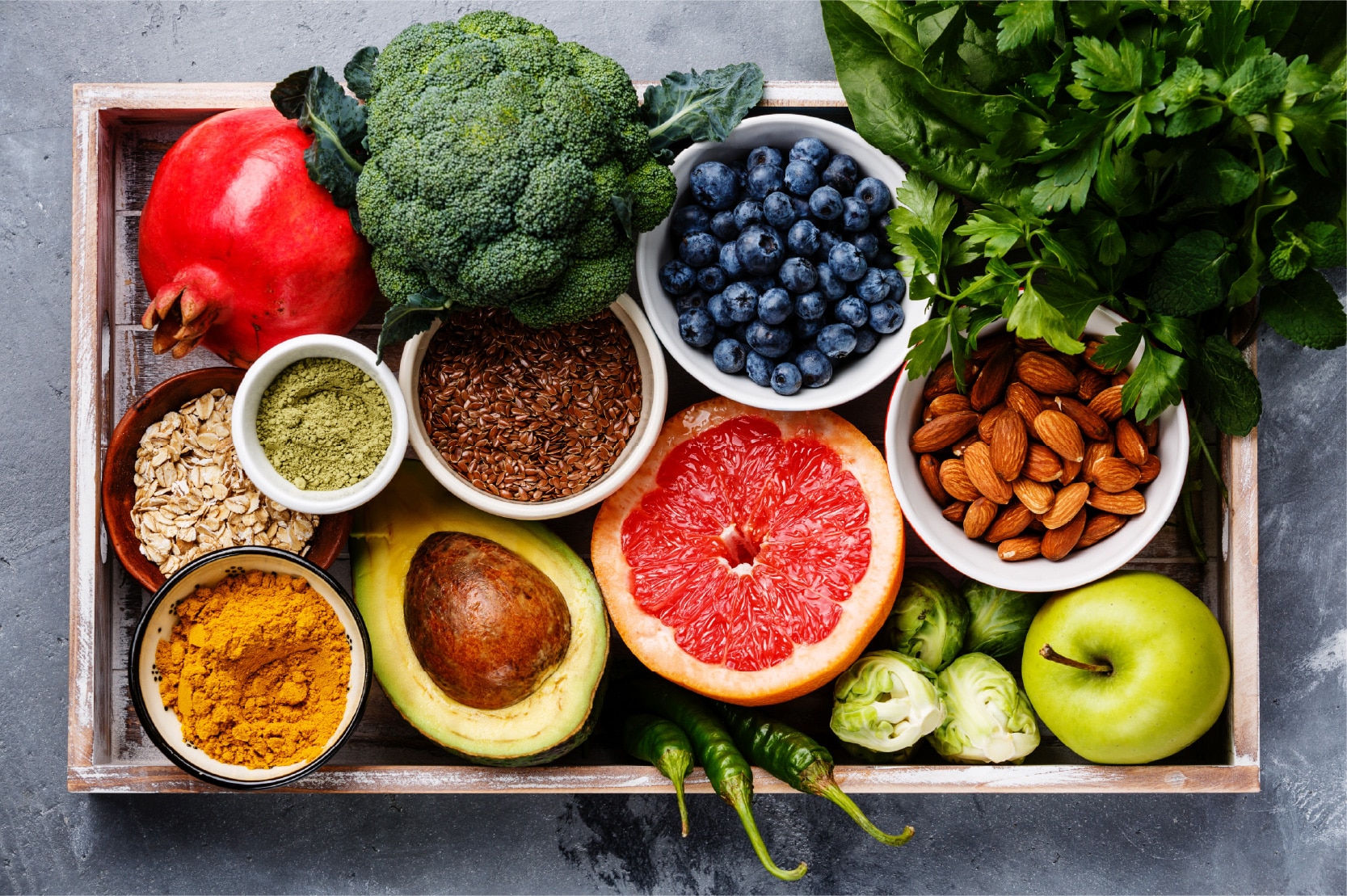

Superfoods Made Simple: Everyday Ingredients That Boost Your Meals Naturally
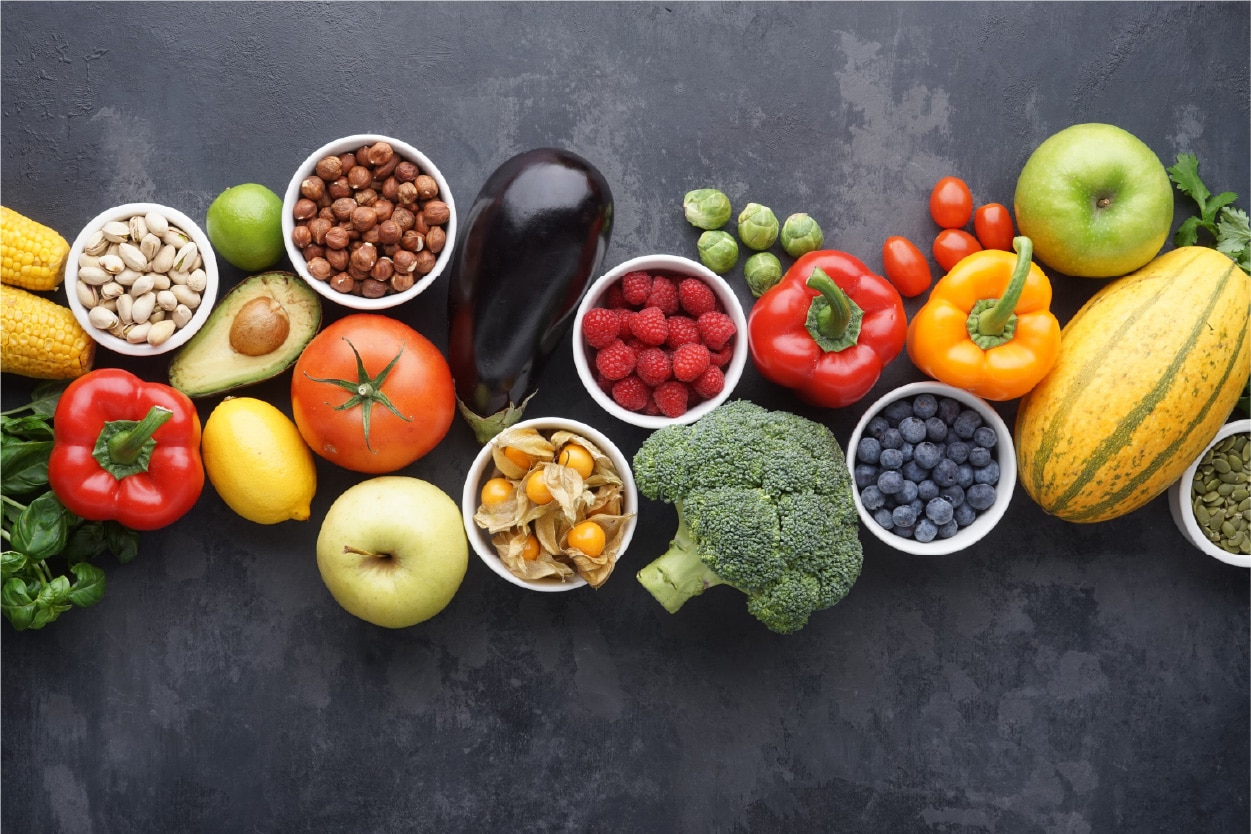
The word superfood is often used to describe foods that are especially rich in vitamins, minerals, antioxidants, and other beneficial nutrients. While it is not a medical classification, it is a helpful way to highlight ingredients that support overall well-being when eaten as part of a balanced diet. Adding nutrient‑rich superfoods can help enhance the nutritional quality of daily meals and support overall health in a meaningful way.
The good news is that many superfoods are already part of everyday cooking. You do not need rare or expensive ingredients to enjoy their benefits.
What makes a food a superfood
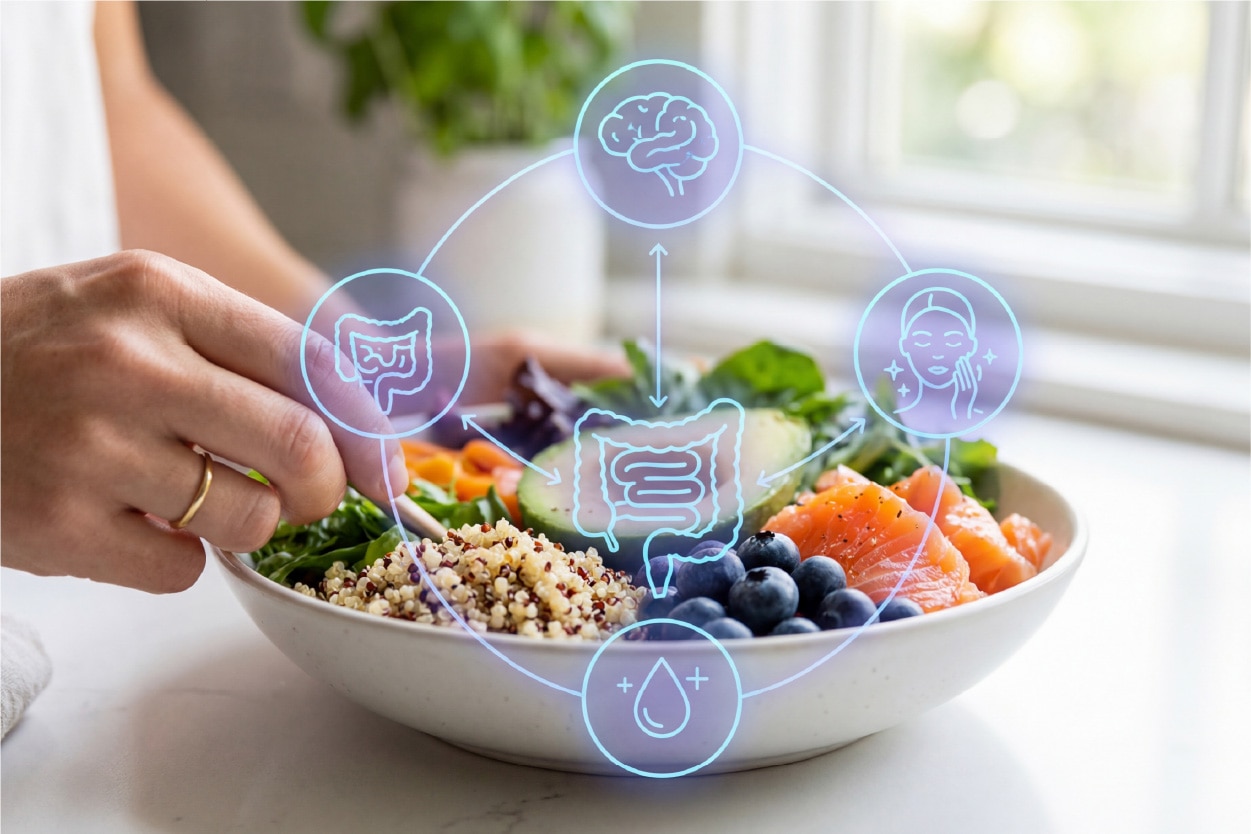
Superfood is usually a whole food that provides a high concentration of health-supporting nutrients. These include antioxidants that protect cells from damage, fibre that supports digestion, healthy fats that benefit the heart health, and vitamins and minerals that help the body function well. Superfoods do not work on their own. Their true value lies in being eaten regularly alongside other wholesome foods.
Everyday superfoods you can enjoy
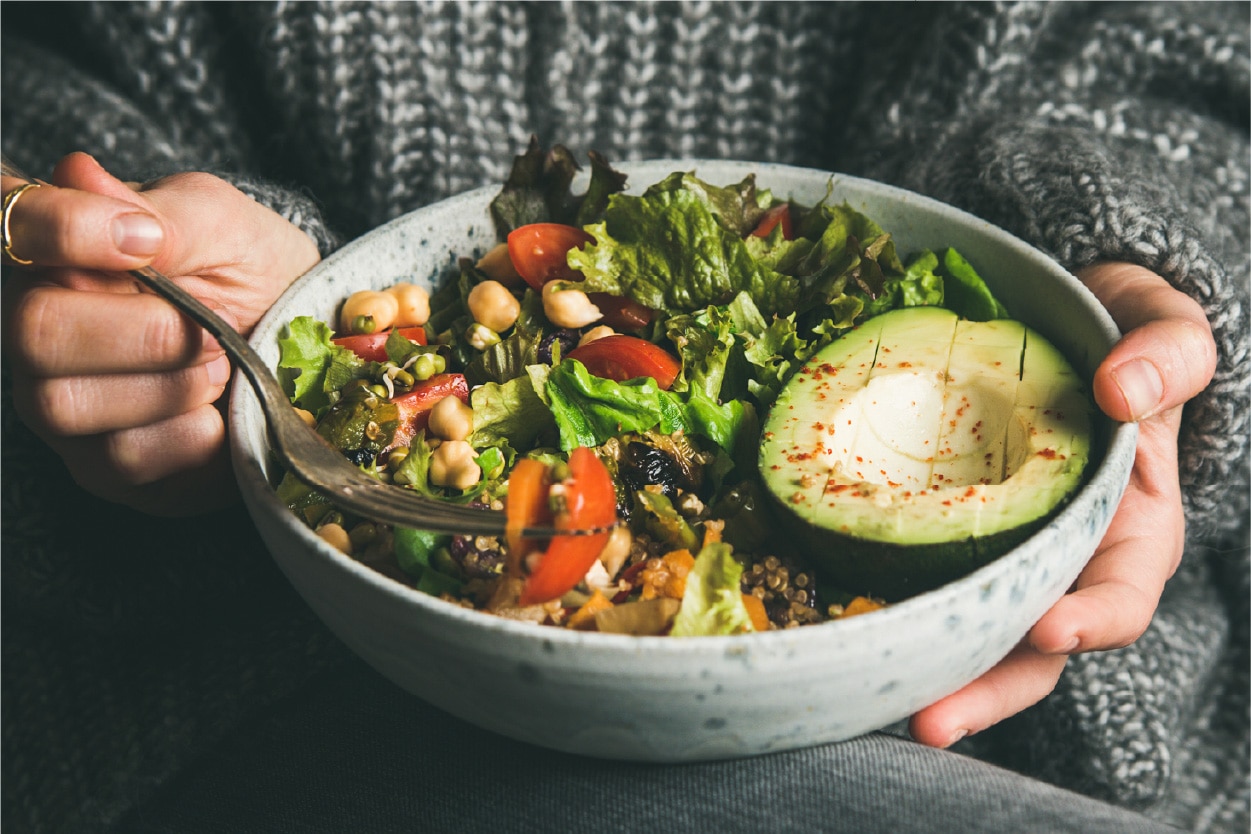
Many accessible ingredients qualify as superfoods.
● Leafy greens such as spinach, kale and sawi (mustard greens) are rich in vitamins A, E, C, and plant compounds that support immunity and eye health. They are also high in vitamin K, which is good for bone health.
● Fruits like papaya, guava, and berries provide vitamin C, antioxidants and fibre to aid digestion and immune defence.
● Tofu, lentils and beans are excellent plant-based sources of protein and contain calcium that help maintain muscle and bone health.
● Herbs and spices such as turmeric, ginger, and garlic contain antioxidants that promote inflammation control and immune function.
● Nuts and seeds like almonds, chia seeds, and pumpkin seeds provide healthy fats, magnesium and fibre that support heart health and metabolic health.
When is the best time to consume superfoods
Superfoods can be easily incorporated into meals at any time of day, making them a flexible addition to a balanced diet.
● In the morning, having fruits, seeds, and leafy greens is ideal because they can help with hydration, digestion, and energy. Adding papaya, chia seeds or spinach to breakfast or smoothies gives a good nutrient boost.
● During lunch, including plant proteins such as tofu, beans, and lentils can help provide the protein your body needs for the growth and maintenance of its tissues
● In the evening, incorporating food items rich in antioxidants and anti-inflammatory compounds such as turmeric, garlic, and vegetables can support recovery and overall health while avoiding oily and heavy meals before sleep.
Consistency is the key. Eating small amounts of power foods regularly is more beneficial than having large amounts occasionally.
Making superfoods part of everyday meals
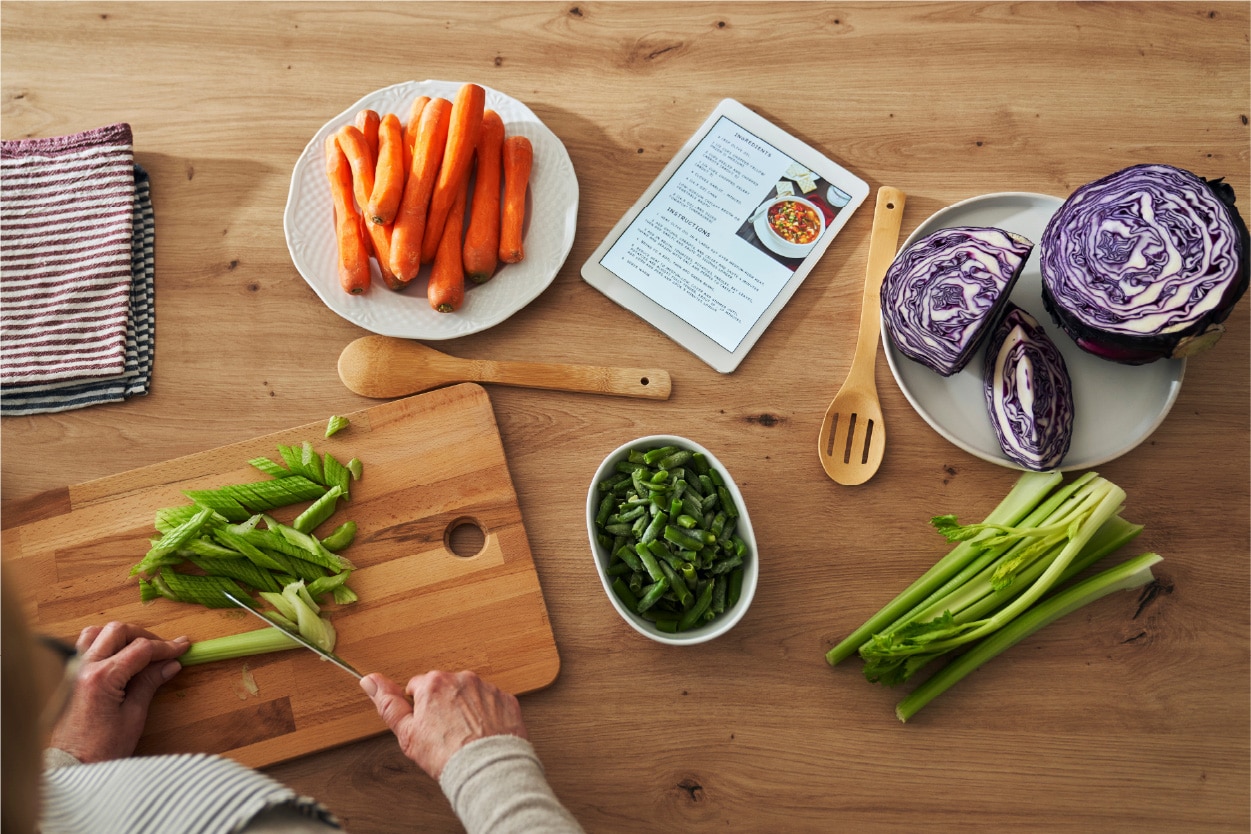
Many Malaysians already use superfood ingredients in daily cooking without realising it. Vegetables, legumes and herbs are common in soups, stir fries, curries and noodle dishes. What matters is how often these foods are appearing on the plate.
Products that support home cooking make it easier for families to include these nutrient-rich ingredients regularly. When meals are prepared at home using a mix of whole foods and simple cooking solutions, it becomes easier to enjoy balanced, nourishing dishes even on busy days.
Simple ways to include superfoods every day
● Add spinach or tomatoes to omelettes and stir-fries.
● Top oats, yoghurt, or cereal with fruits, seeds, and nuts.
● Blend leafy greens and fruit into smoothies.
● Use garlic, turmeric, and ginger when cooking soups, curries, and sauces.
● Snack on fruits or a small handful of nuts instead of oily-fried snacks.
These small additions make it easy to enjoy superfood without changing how you cook or eat.
Common myths about superfoods
One common myth is that superfoods can prevent or cure diseases on their own. While the naturally occurring nutrients in the food help in supporting general wellness, no single food can replace a balanced diet or in cases of illness, medical care.
Another misconception is that superfoods must be exotic or expensive. Many local fruits, vegetables, beans, and herbs offer just as much nutritional value as imported products.
Some people also believe more is better. In reality, very large amounts of any food can cause an imbalance. Superfoods work best when eaten in moderation as part of a varied diet.
A simple and balanced approach
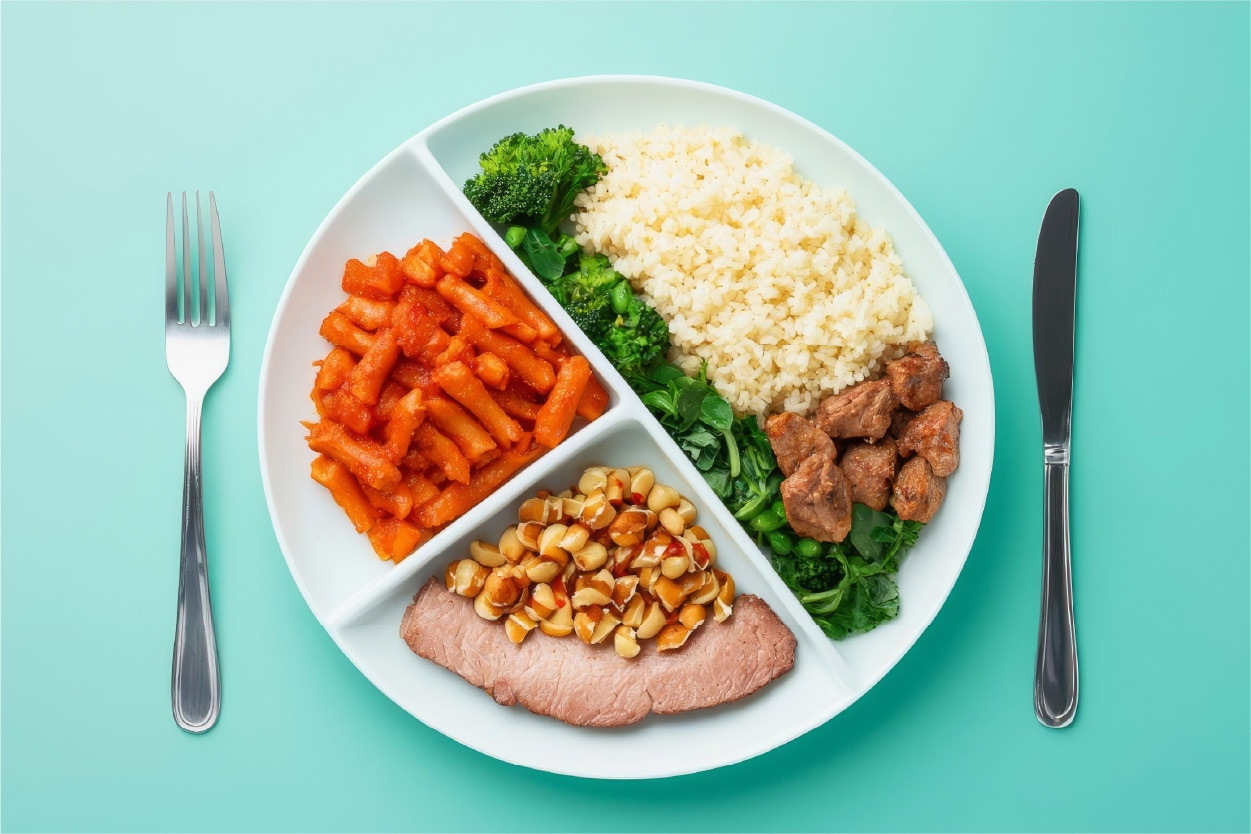
Superfood is not about perfection. They are about making everyday meals more nourishing with simple, natural ingredients. By choosing a variety of nutrient-rich foods and enjoying them regularly, you support your body in a practical and sustainable way.
Sources:
-
Harvard T.H. Chan School of Public Health. (n.d.). Superfoods and nutrition.
-
Cleveland Clinic. (2021). What is a superfood.
-
Healthline. (n.d.). True superfoods and their benefits.
-
Medical News Today. (2019). Superfoods health benefits and risks.
-
Fresh Spirulina Farm. (2024, March 24). Affordable superfoods you can find in Malaysia.
-
The European Food Information Council. (2012, December). What Are Superfoods and Are They Really Super?