Balancing Screen Time for Better Health


Screen Time and Wellness: How Too Much Device Use Affects Your Body and Mind
In our digital age, the term screen time has become part of daily life. Yet spending long hours on devices does more than occupy our time. It can quietly affect how we sleep, how hungry we feel and how our body holds itself. Recognising the effects of screen time on your body and mind can help you make small changes that support your overall wellness.
The effect of screen time on sleep
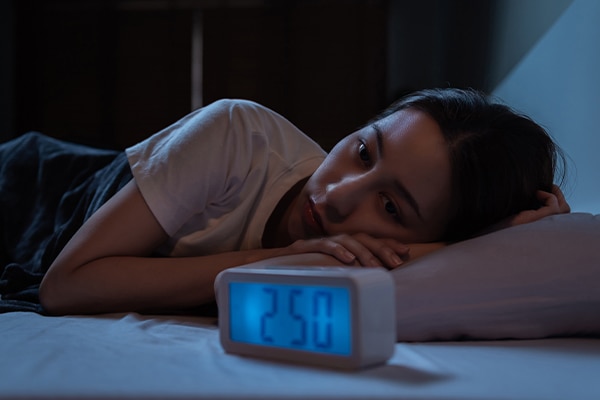
Extended screen time, especially before bed, can disrupt your natural sleep rhythm. The blue light emitted from screens interferes with the production of melatonin, the hormone that signals it is time to wind down. As a result, you may take longer to fall asleep, get less deep sleep and wake up still feeling tired. Research shows that poor sleep is linked with a host of health issues, including reduced concentration, mood disturbances and greater risk of chronic conditions. Understand more about the importance of sleep.
The impact on appetite and eating behaviour
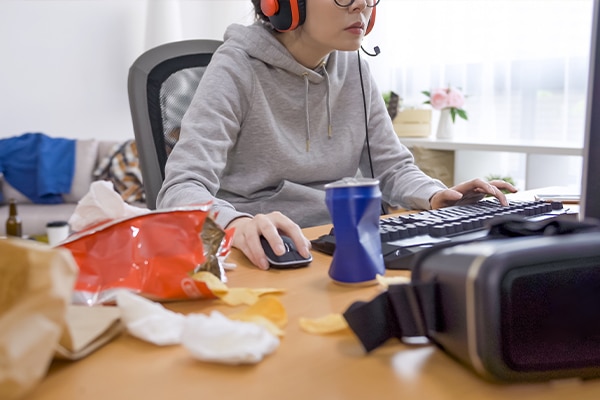
How we eat is also influenced by screen time. When you eat while distracted by a screen, you may pay less attention to hunger or fullness cues. This can lead to snacking mindlessly or choosing high-calorie foods simply because you are still interacting with a screen. In turn, that may contribute to weight gain. For instance, a study found that prolonged screen time was associated with altered appetite regulation and higher obesity prevalence.
The toll on posture and musculoskeletal health
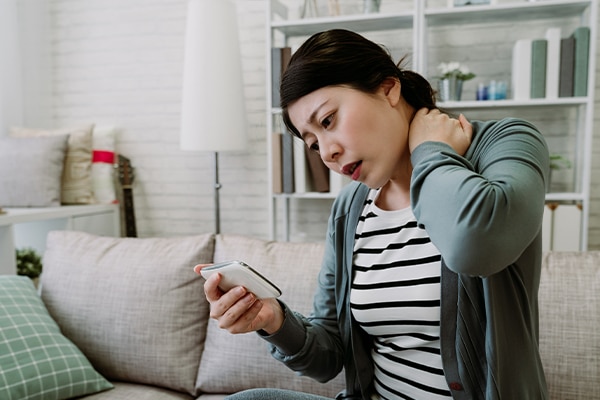
Long hours in front of screens often mean sitting still, assuming forward-leaning postures or looking down at a phone. These habits can strain the neck, shoulders and back and create what is sometimes called “tech neck”. The impact is more than discomfort and neck pain. Over time, poor posture may lead to muscle imbalances, put uneven pressure on spine and chronic neck or shoulder pain that affect daily function and wellness.
Practical tips for digital balance

Here are achievable ways to find a better balance with devices and protect your wellbeing:
● Establish a screen-free wind-down routine at least one hour before bed. Read a book, stretch or do gentle breathing instead.
● Use the 20-20-20 rule: every 20 minutes, look away from the screen at something 20 feet away for 20 seconds.
● Be mindful when eating: turn off your device or put it aside during meals so you can pay attention to your hunger and fullness cues, as well the food choices.
● Place your screen 20–30 inches away from your eyes, which is about an arm's length. Your eye height should be about 1/2 inch to 1½ inches higher than the top characters on your screen to allow for a 15-degree eye gaze.
● Set posture reminders: sit with your back straight, shoulders relaxed, screen at eye level and feet flat on the floor.
● Schedule device breaks: incorporate stretches or short walks after long screen sessions to reduce sedentary impact.
● Monitor recreational screen time: aim to reserve device use for a purpose rather than passive scrolling. Prioritise off-screen activities like walking, cooking or connecting with friends.
● Create device-free zones: designate bedroom or dining spaces where screens are not allowed so that restful sleep and mindful eating become easier.
In Conclusion
Although screens and gadgets can be useful in our daily lives, prolonged screen time can cause unhealthy effects on our bodies and minds. With more balanced awareness and management of screen time, we can protect our physical and mental health while maintaining a healthier lifestyle in the digital world.
Sources:
-
National Sleep Foundation (2022). Screen Use Disrupts Precious Sleep Time. Screen Use Disrupts Precious Sleep Time - National Sleep Foundation.
- Alvaro, P. K., Roberts, R. M., & Harris, J. K. (2013). A Systematic Review Assessing Bidirectionality between Sleep Disturbances, Anxiety, and Depression. Sleep, 36(7), 1059–1068.
- Cappuccio, F. P., D'Elia, L., Strazzullo, P., & Miller, M. A. (2010). Quantity and quality of sleep and incidence of type 2 diabetes: a systematic review and meta-analysis. Diabetes care, 33(2), 414–420.
- Mayo Clinic (2024). Tech neck: Effect of technology - Mayo Clinic Health System
- Dominika Lewandowska, Dominika Rosińska-Lewandoska, Podraza, Z., Dominika Strep, Grabowska, J., Jakub Rosiński, Głowniak, Z., Kwiatkowski, M., Izabela Kwiatkowska, & Soja, M. (2025). The Relationship Between Screen Time, Sleep and Obesity. Journal of Education Health and Sport, 78, 57695–57695.
- Healthline (2025). How Does the 20-20-20 Rule Prevent Eyestrain? 20-20-20 Rule: Does It Help Prevent Digital Eyestrain? 'Tech neck': Technology's effect on your neck