
What Is Fast Fashion and How Does It Affect the Planet
Fast fashion refers to the rapid production of trendy, low-cost clothing designed to move quickly from the runway to retail stores. This business model encourages frequent purchasing by offering new styles at very affordable prices. While this makes fashion more accessible, it also promotes a culture of buying more and wearing less, resulting in serious environmental consequences.
From mass-produced trends to environmental burden
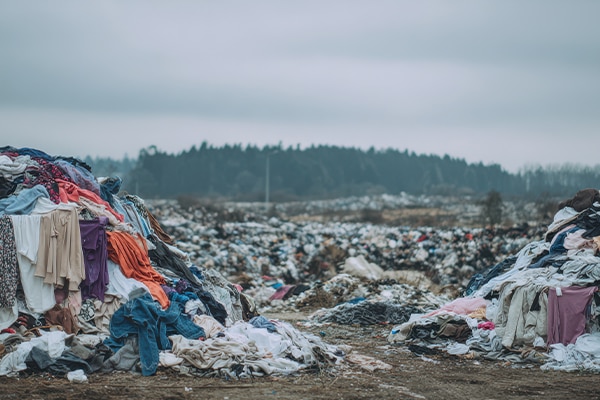
Fast fashion operates on speed and volume. Clothes are designed to follow short-lived trends and are manufactured in large quantities using cost-saving methods. This often means lower-quality materials and shorter garment lifespan. As a result, clothes are discarded quickly, placing pressure on landfills and natural resources. The continuous cycle of production and disposal increases carbon emissions, water usage and chemical pollution.
Textile waste, pollution and overconsumption

One of the most visible impacts of fast fashion is textile waste. Millions of tonnes of clothing are thrown away each year, with much of it ending up in landfills or incinerators. Synthetic fabrics such as polyester also shed microplastics during washing, which then enter waterways and marine ecosystems. The dyeing and finishing processes further contribute to water pollution, often releasing harmful chemicals into rivers and soil. Overconsumption fuels this cycle, driving constant demand for new clothes while accelerating environmental degradation.
Simple ways to make better choices
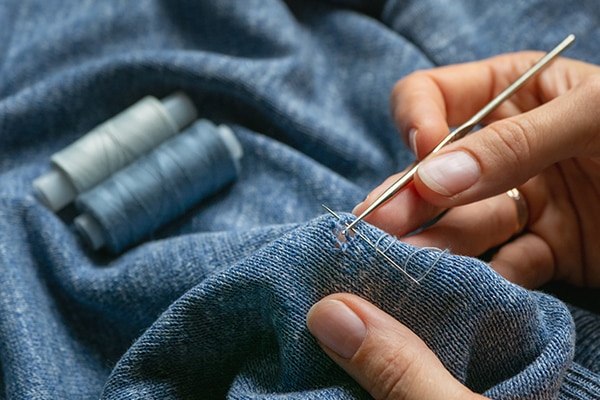
Being more mindful about clothing does not require drastic lifestyle changes. Small shifts can create meaningful impacts.
● Choose quality over quantity by investing in durable pieces that last longer.
● Reuse and repair clothes to extend their lifespan instead of discarding them at the first sign of wear.
● Support local brands and producers that prioritise ethical and sustainable practices.
● Opt for natural or recycled fabrics that have a lower environmental footprint.
● Think before buying by asking if the item is truly needed and how often it will be worn.
● Donate, swap or resell clothes to give them a second life instead of contributing to landfill waste.
These practical habits help slow down the pace of fast fashion and encourage a more responsible approach to consumption.
Final reflection
Fast fashion may offer convenience and affordability, but its impact on the planet is far-reaching. By understanding its effects and making conscious wardrobe choices, we can contribute to a more sustainable future and protect the environment for generations to come.
Sources:
-
Earth.Org. Fast Fashion’s Detrimental Effect on the Environment
-
Economics Observatory. How Does Fast Fashion Affect the Environment
-
David Suzuki Foundation. The Environmental Costs of Fast Fashion