
Nestlé Malaysia's Commitment to Reforestation and Environmental Sustainability
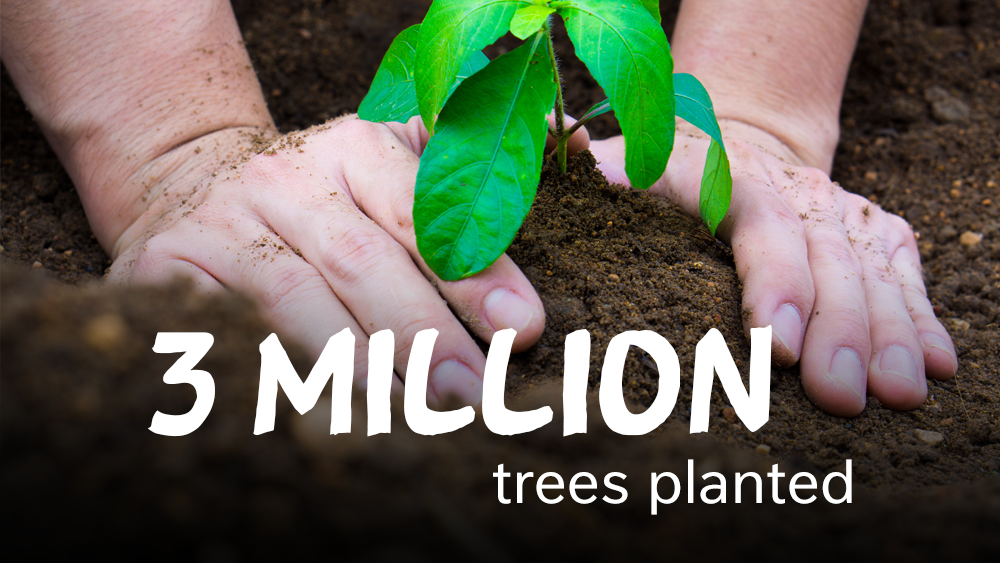
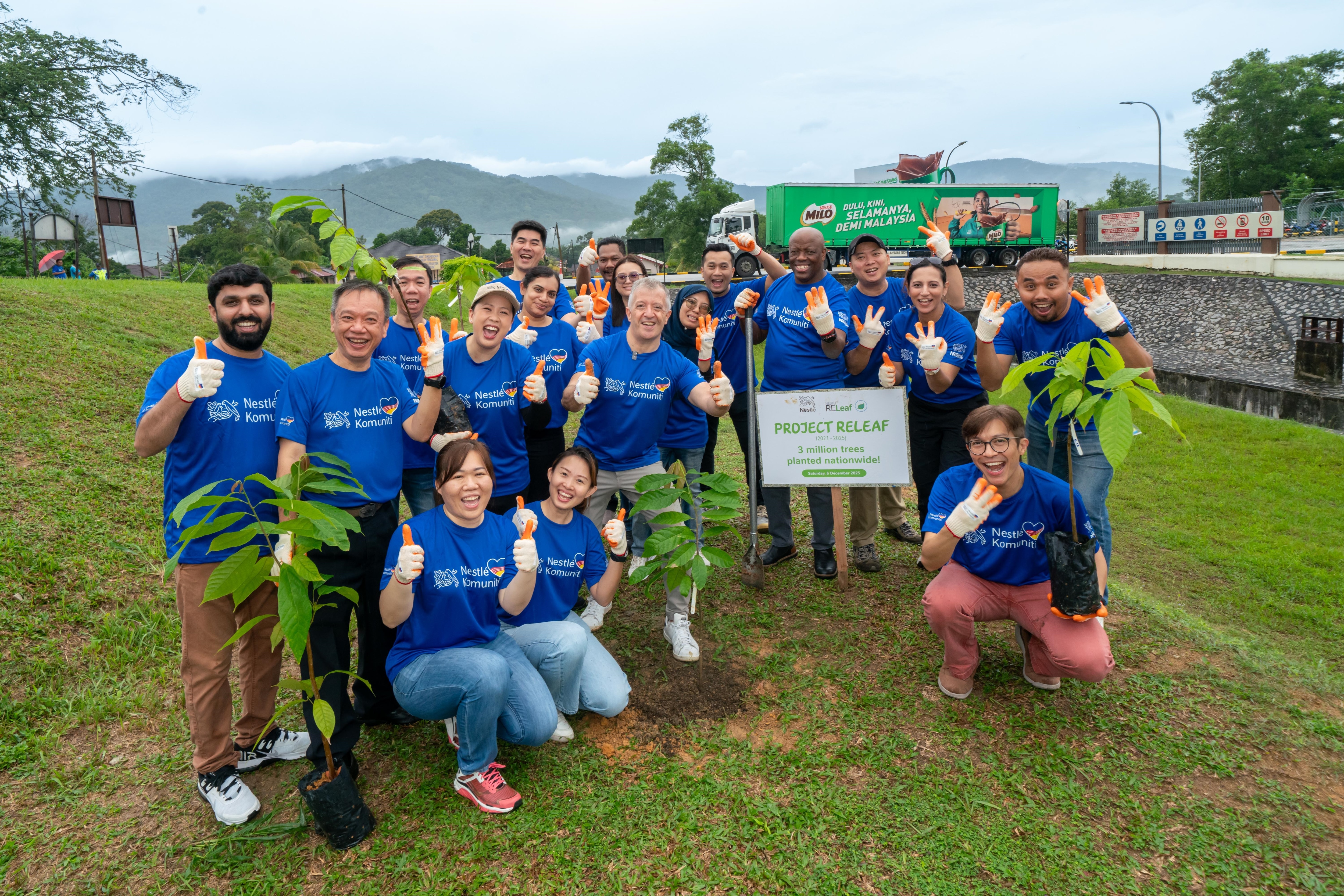
Nestlé Malaysia has reached a significant milestone in its sustainability journey with the successful completion of Project RELeaf, which involved planting 3 million trees across approximately 1,650 hectares since 2021. This initiative marks the largest corporate reforestation effort in the country, bringing the total number of trees planted, including the earlier Project RELeaf in Sabah, to 4 million. These efforts are aligned with the Malaysian government's "Greening Malaysia" initiative, which aims to plant 100 million trees nationwide.
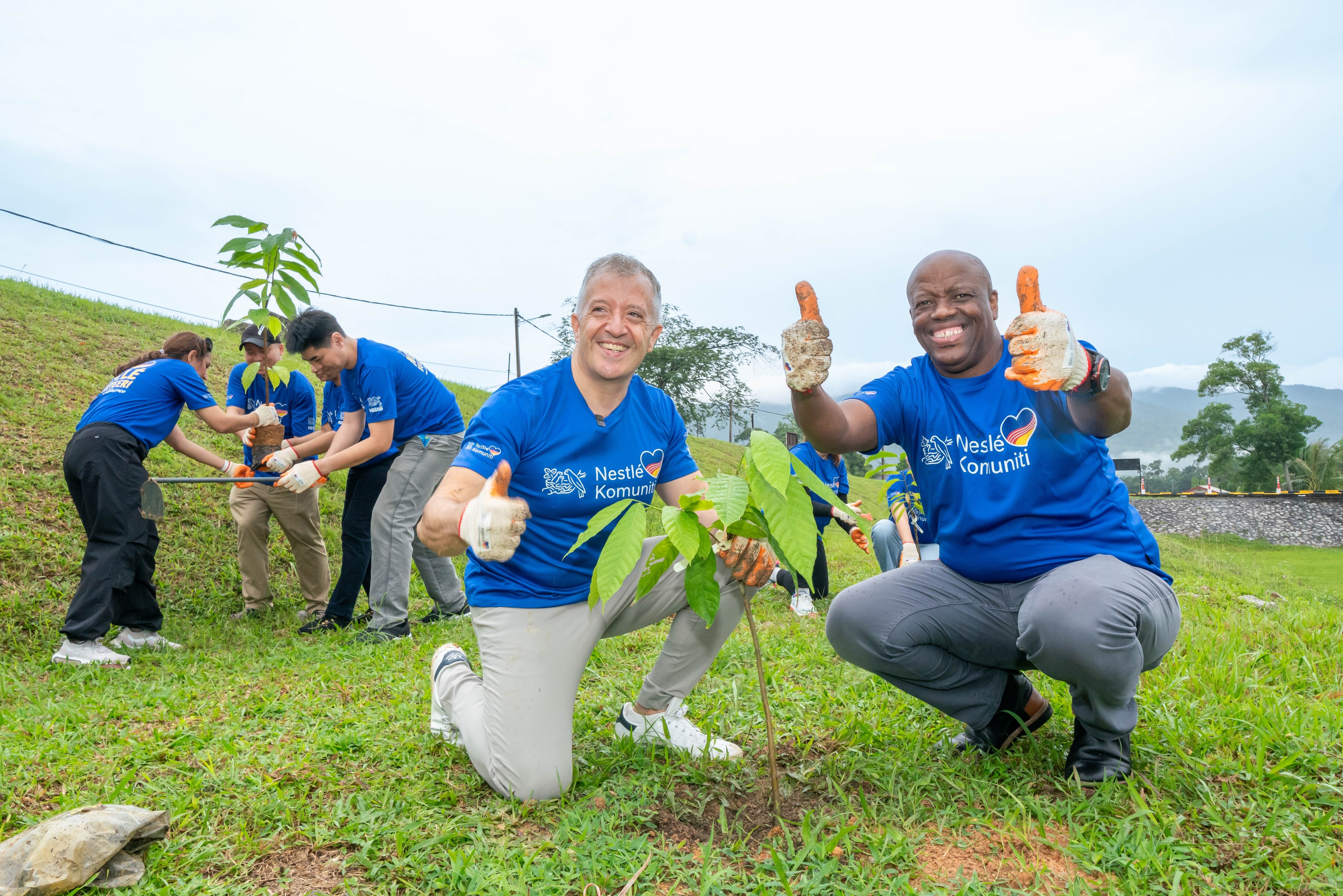
The success of Project RELeaf is attributed to strong collaborations with various partners, including the Forestry Department of Peninsular Malaysia, the Sabah Wildlife Department, the Malaysian Nature Society, SD Guthrie, TDM Plantation, IOI Plantation, Sabah Softwoods, Sawit Kinabalu and Ikhasas. Juan Aranols, CEO of Nestlé Malaysia, emphasized that "Project RELeaf embodies our conviction that businesses must play an active role in safeguarding the environment for future generations. Reaching this milestone is a proud moment in our ESG journey and fuels our determination to do even more. While Malaysia’s forest cover currently stands at 54%, above the national target of 50%, it is vital to further preserve and restore these precious ecosystems."
Looking ahead, Nestlé Malaysia plans to continue its reforestation efforts by committing to plant another 3 million trees over the next five years. This next phase, known as Project RELeaf2030, will focus on enhancing biodiversity and supporting Malaysia's climate ambitions through strict ecological criteria.
A crucial aspect of Project RELeaf is its community-driven approach. Local farming communities have been engaged in seedling production and reforestation activities, providing training and resources that not only foster environmental awareness but also create additional income sources. En. Hasidin Bin Ahmit, a representative from the community, noted that being part of this initiative has transformed their future, contributing to both ecological restoration and improved livelihoods.
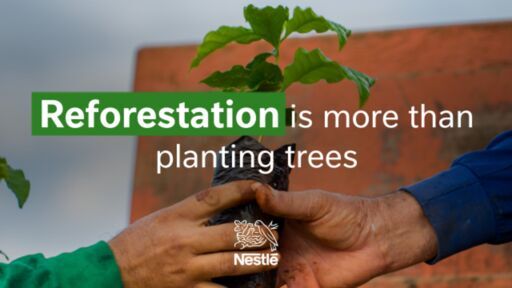
Reforestation is not merely about planting trees; it involves restoring ecosystems and promoting agroforestry. By integrating forest species into agricultural practices, Nestlé aims to enhance crop resilience, diversify income streams for farmers, and restore healthier ecosystems. This approach, termed 'insetting,' ensures that trees are planted within the supply chains where raw materials are sourced, thereby contributing to carbon offsetting and environmental sustainability.
Ultimately, Nestlé Malaysia's commitment to reforestation, alongside its ongoing efforts to eradicate deforestation, highlights the company's dedication to environmental sustainability and the well-being of local communities. Through initiatives like Project RELeaf, Nestlé continues to play a pivotal role in addressing climate change and fostering biodiversity in Malaysia.
What is the Meaning of Reforestation?
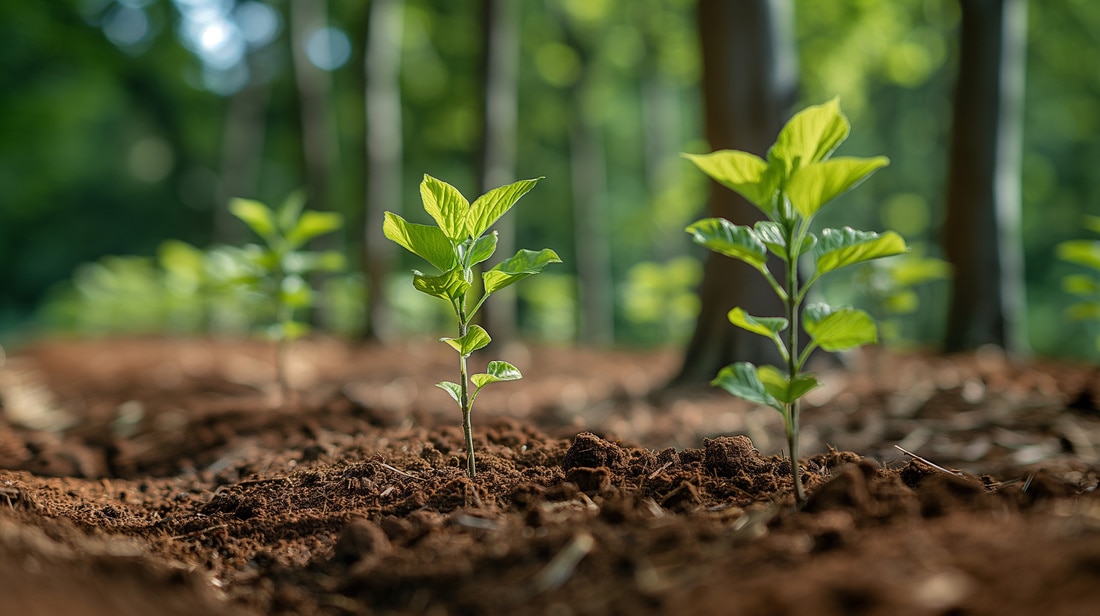
Reforestation refers to the process of replanting trees in areas where forests have been depleted or destroyed. This practice is crucial for restoring ecosystems, enhancing biodiversity, and mitigating climate change by absorbing carbon dioxide from the atmosphere. Reforestation not only helps in restoring the natural habitat for various species but also plays a vital role in maintaining ecological balance and supporting sustainable land use practices.
Sources: