Gut Health 101


Gut Health 101: Why Your Digestive System is the Key to Overall Wellness
When we think about staying healthy, we often focus on our heart, skin, or immune system, but did you know that your gut can influence these as well? In fact, maintaining good gut health may be one of the most important things you can do for your overall well-being.
What Is the Gut Microbiota?
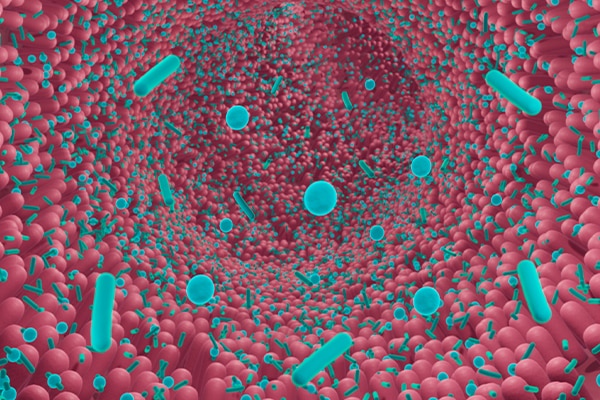
Your gut is home to trillions of microorganisms, ranging from bacteria, fungi, and other microbes. They are collectively known as the gut microbiota. These tiny organisms play vital roles such as help to break down food, aid in nutrient absorption, and protect against harmful bacteria. A healthy microbiota is important for a well-balanced ecosystem, keeping your digestive system and immune defenses strong.
How Gut Health Affects Immunity
About 70% of your immune system is in the gut. When your microbiota is in balance, it supports your body’s natural defenses by recognising and fighting off harmful invaders. However, when this balance is disrupted due to stress, poor diet, or illness, your immune system can weaken, making you more susceptible to infections and inflammation.
The Gut–Brain Connection
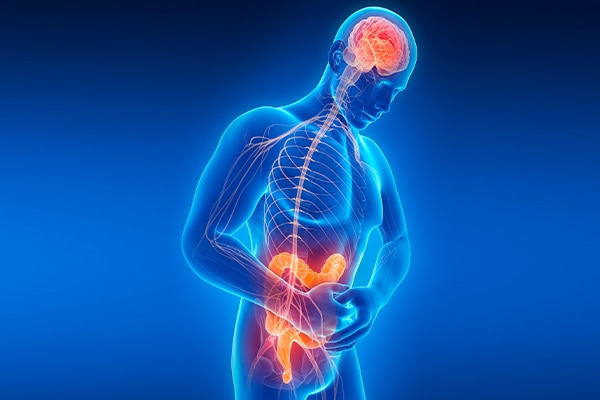
You may have heard of the gut–brain connection. This simply means your gut and brain communicate with each other via nerves, hormones, and immune signals. This is what is known as gut-brain axis, where gut health can influence your mood, stress levels and even mental clarity. Studies have shown that an unhealthy gut may be linked to anxiety, depression, and fatigue, while a healthy one supports better focus and emotional stability.
Signs of Poor Gut Health

How do you know if your gut needs attention? Look out for some of these common signs:
-
Frequent bloating or gas
-
Irregular bowel movements
-
Constant fatigue
-
Food intolerances
-
Autoimmune conditions
-
Unexplained mood swings
These symptoms can indicate your gut microbiota may be out of balance.
Ways to Improve Gut Health

The good news? Your gut can heal and thrive with the right care. Here’s how:
-
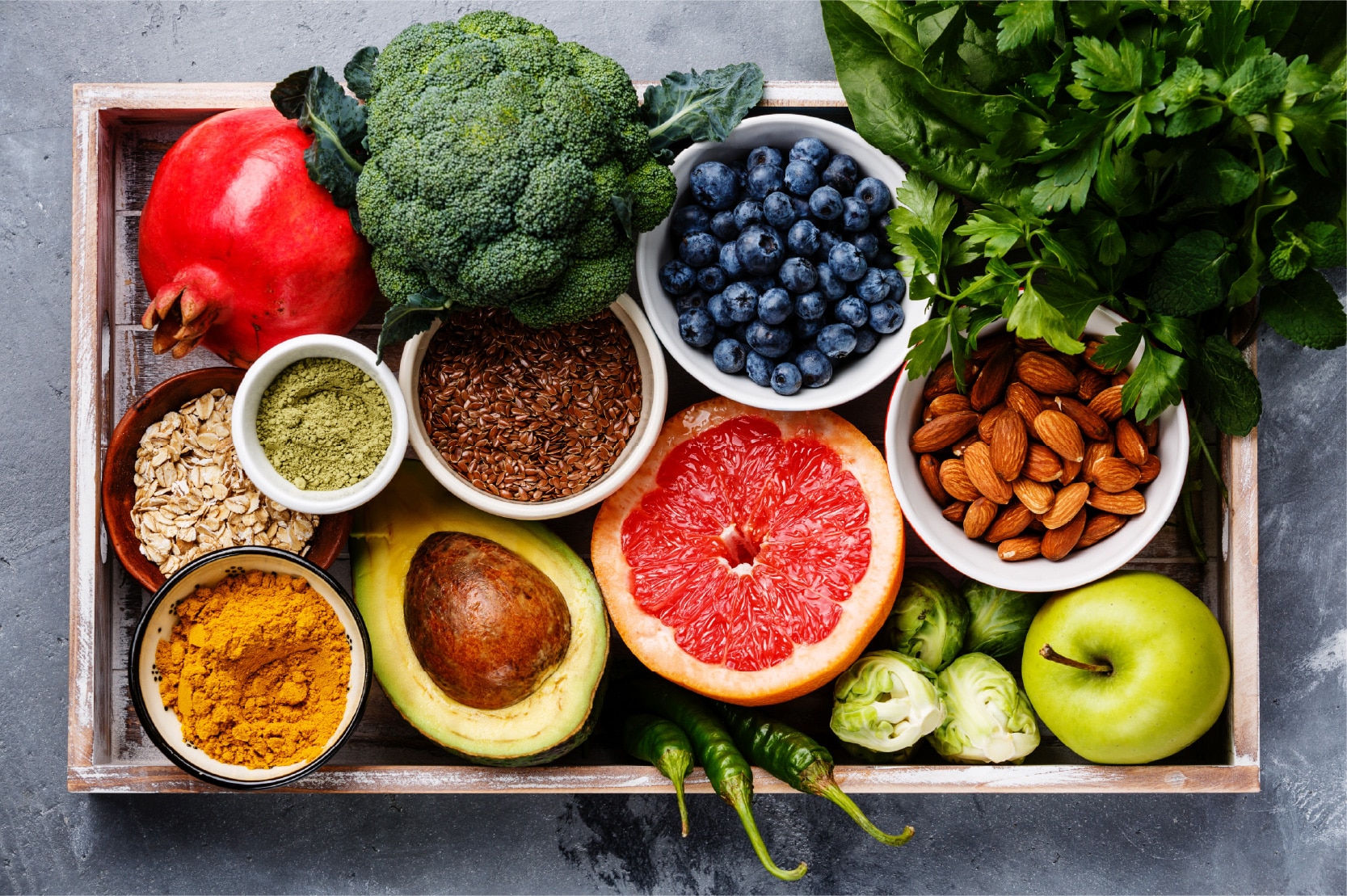
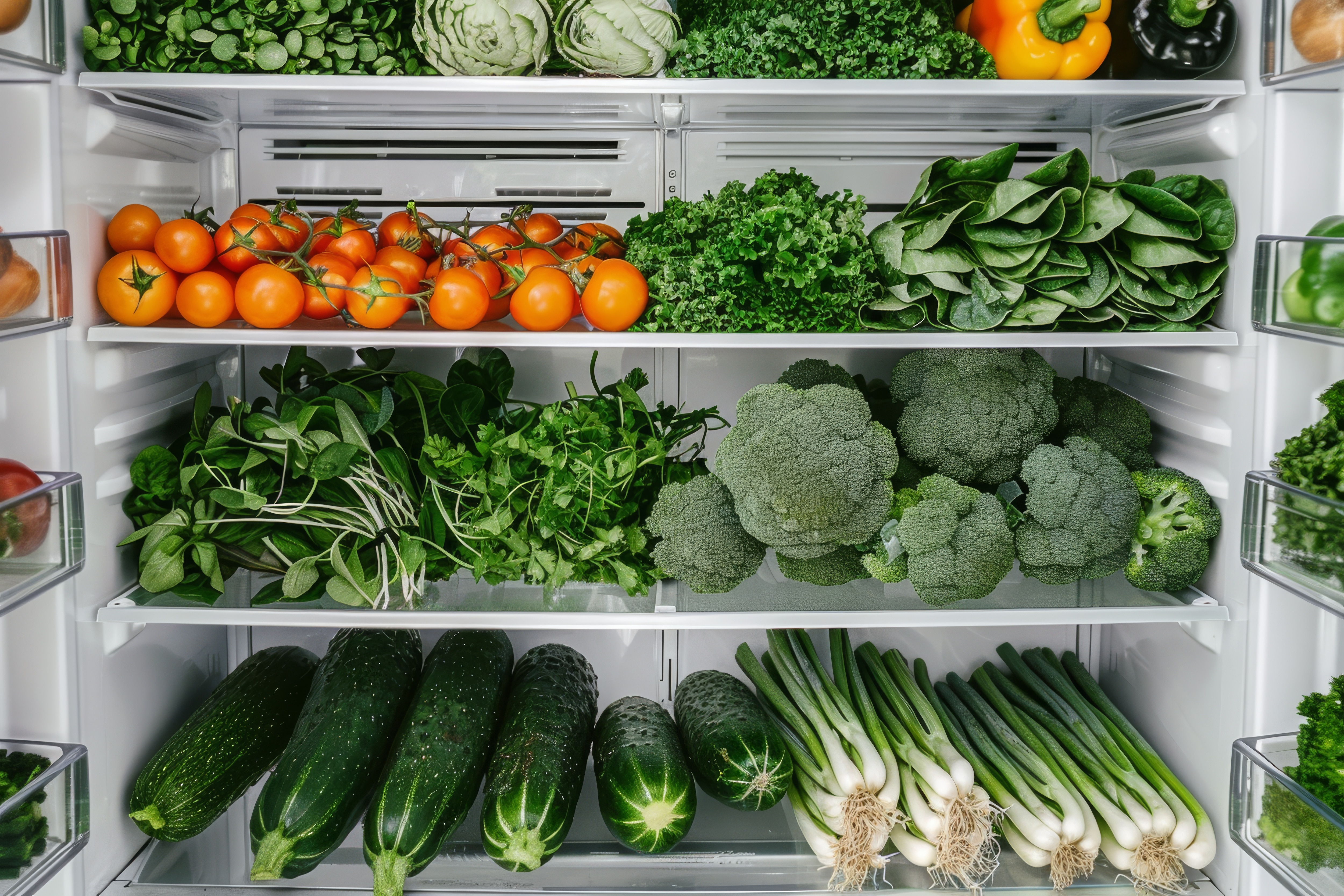
Eat a balanced diet that is rich in fibre – E.g. Whole grains, fruits, and vegetables. Fibre feeds good bacteria in your gut. Read more on high fibre food.
-
Include fermented food or probiotic-containing food/supplements –E.g. yoghurt, kefir, kimchi, and tempeh provide beneficial (good) bacteria that help to restore balance in the gut. If you have special dietary restrictions, probiotic-containing food/supplements can also help to support your gut microbiota. Consult with your doctor to find the right one based on your needs.
-
Stay hydrated – Water supports digestion and helps your body absorb nutrients efficiently. The Malaysian Dietary Guidelines recommends at least 6 to 8 glasses a day.
-
Limit processed foods and added sugar – Too much processed food such as sausages, sodas and chips can feed harmful bacteria and disrupt your microbiota. Swap these with fresh foods, sugar-free drinks like black coffee and whole fruits like apples or oranges.
-
Manage stress – Regular exercise, meditation, and adequate sleep help keep your gut–brain axis in harmony. Find tips on managing stress.
The Takeaway
Your gut health is more than just about digestion — it’s the foundation of your overall wellness. By taking simple, consistent steps to care for your microbiota, you’re also supporting your immune system, energy levels, and emotional balance. After all, when your gut is happy, the rest of your body follows suit.
Sources: