A Guide to Meal Prep
A Guide to Meal Prep: Save Time, Eat Better, and Reduce Food Waste
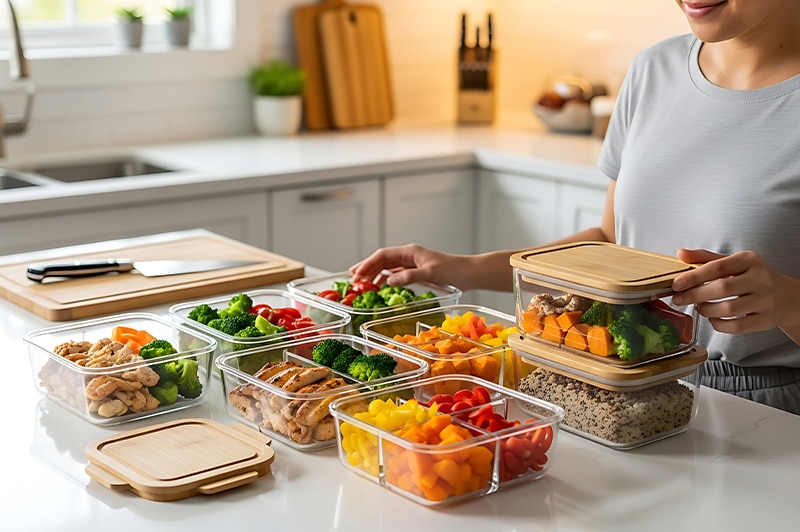
Meal prep is a simple habit with big pay-offs. By proper planning and cooking in batches, you’ll cut weeknight stress, eat more balanced meals, and throw away far less food, all while saving money. Here’s a practical, no-fuss guide to get you started, grounded in food-safety basics and waste-reduction know-how.
Why meal prep works
-
Saves time and money: One cooking session covers several meals, reducing last-minute takeaways and impulse buys. Research from Harvard’s Nutrition Source highlights time, cost, and portion-control as some of the key benefits of meal prep.
-
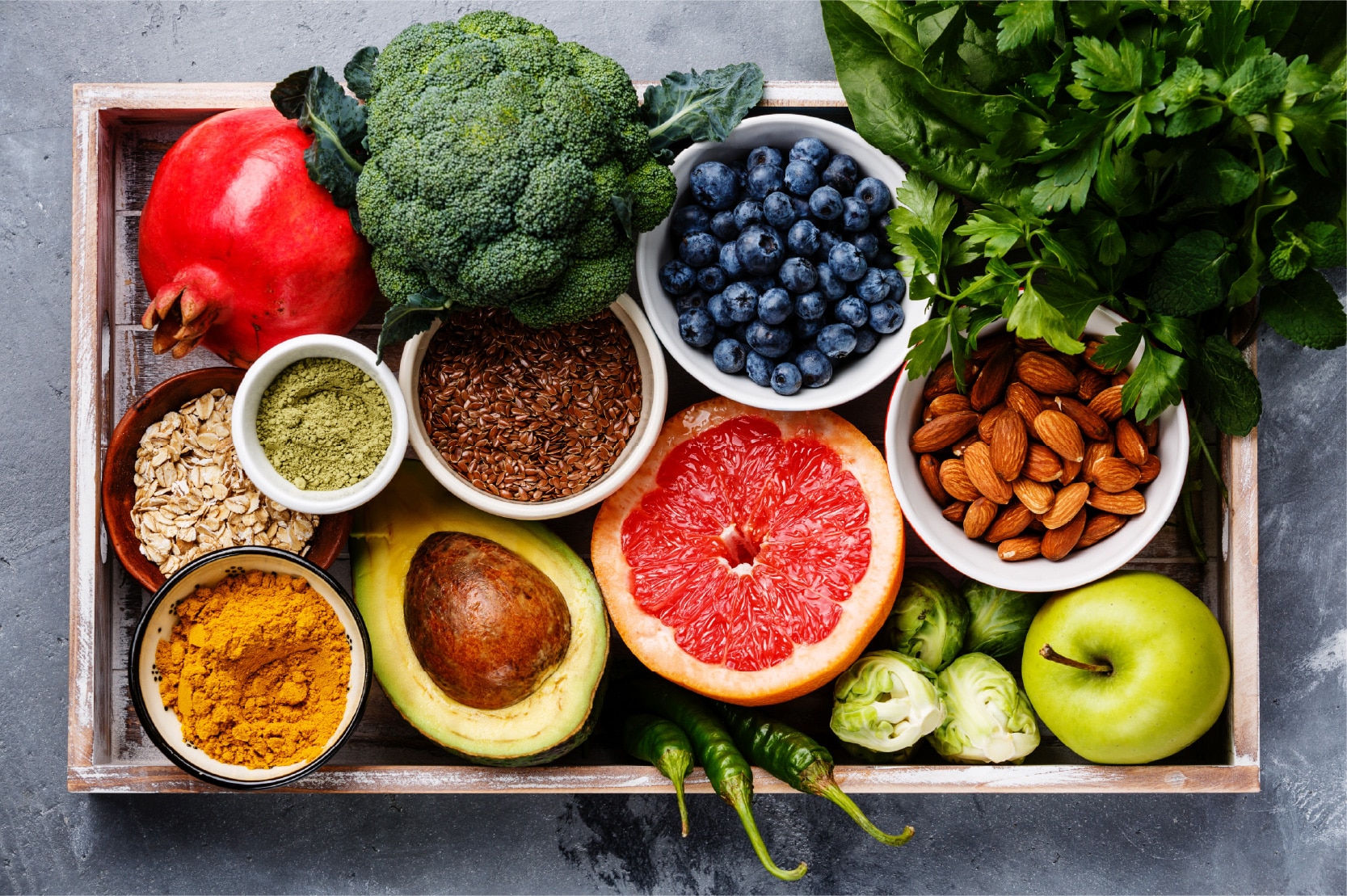
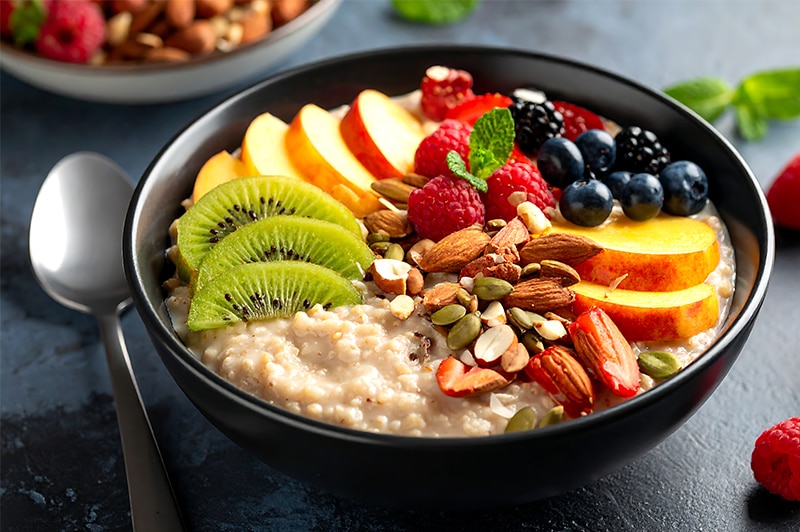
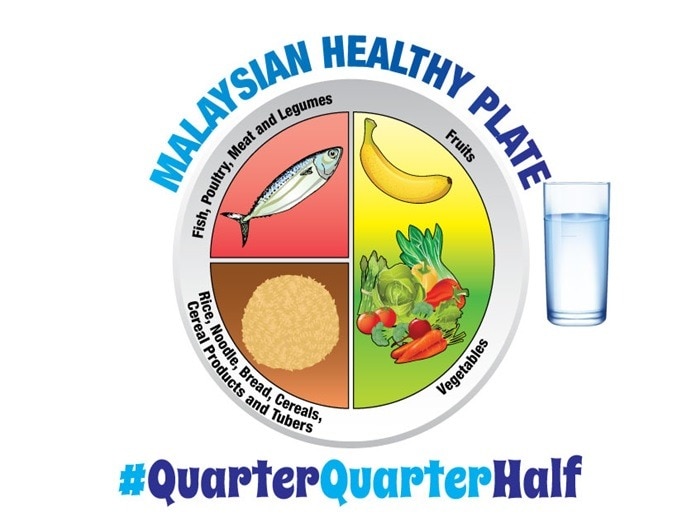
Improves nutrition: Pre-portioned, home-cooked meals help you to achieve balanced diet easily and more consistently. Make use of the Malaysia Healthy Plate concept, called Quarter-Quarter-Half, to help you practice balance, moderation, and variety for your main meals.
-
Reduce food waste: With a little pre-planning, you can shop smarter, use only what you need, and store food safely. Globally, 19% of food ends up wasted and most of it happens at household level with 60% being thrown away (amounting to about 631 million tonnes). Find out ways to reduce food waste.
The 5-step meal prep method
-
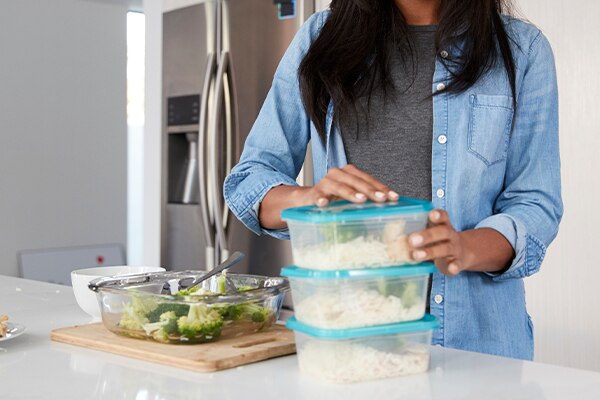
Plan 3–4 core dishes per week. Use the same ingredients across multiple dishes to avoid leftovers going unused.
-
Shop your plan: List and plan by sections (e.g. produce, pantry, protein, dairy) to avoid unnecessary spending and stick to it.
-
Batch-cook smart: Choose oven or one-pot recipes to cook multiple portions at once. Cool food quickly in shallow containers) for safe storage.
-
Portion & label: Divide meals into single serve containers. Don’t forget to label the name and date so nothing gets “mystery-boxed”.
-
Store safely: Refrigerate within 2 hours of cooking; eat chilled leftovers within 48 hours or deep freeze it. Keep the fridge below 4°C. Always reheat until piping hot.
Food-safety rules you shouldn’t skip
-
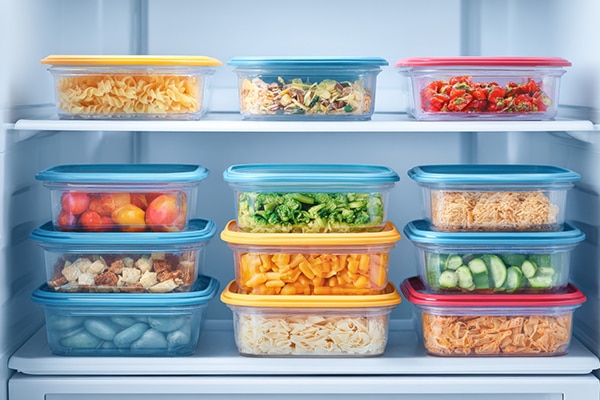
The 2-hour rule: Refrigerate/freeze cooked food within 1–2 hours to slow bacterial growth.
-
48-hour window: Leftovers left chilled should be eaten within 2 days, or freeze them, if you think you won’t eat in time.
-
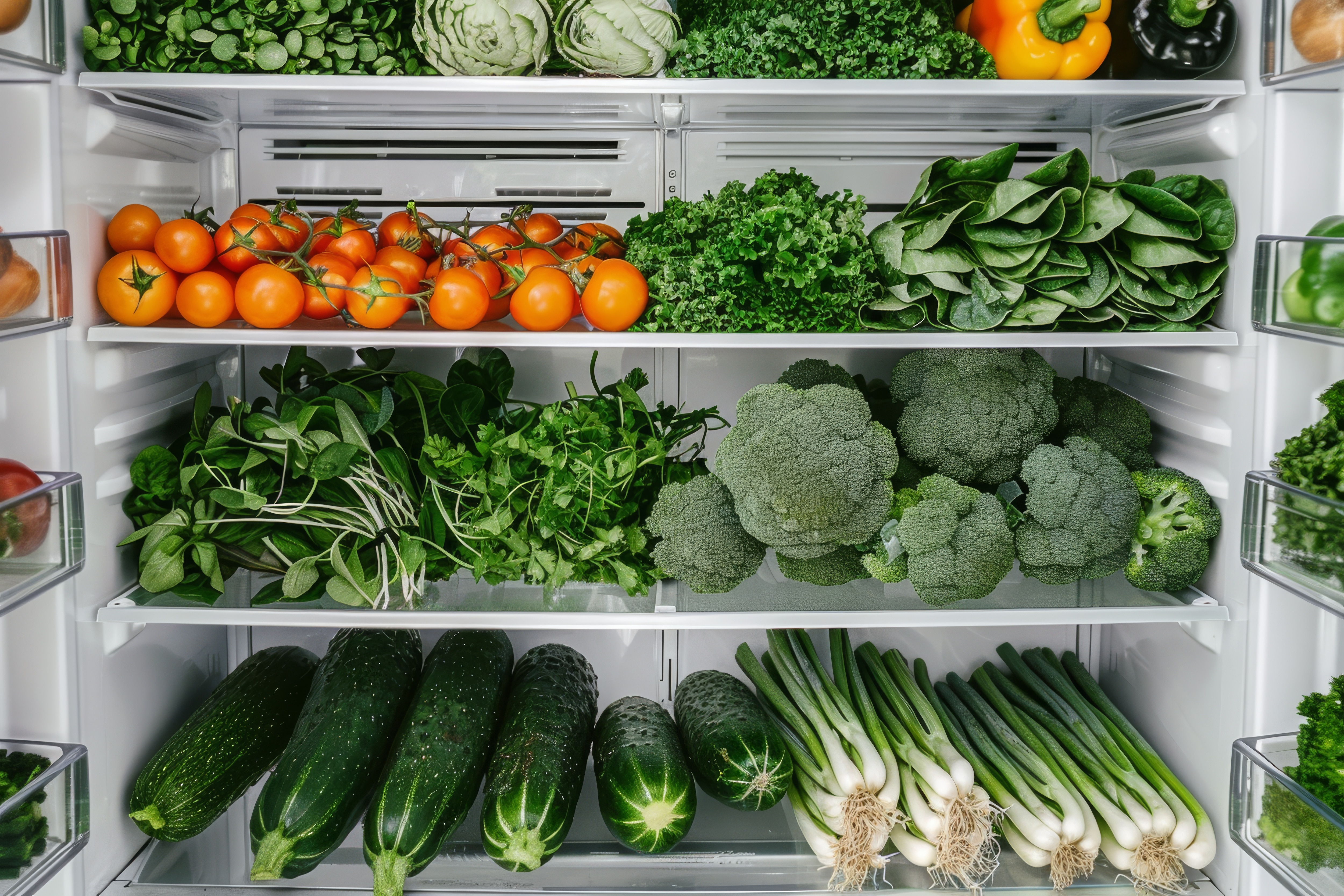
Fridge basics: Don’t overfill (air needs to circulate). Store raw meat, poultry or fish in sealed containers or wrap them tightly so their juices don’t contaminate other foods.
-
Cool quickly: Use shallow tubs; you can set warm containers in a cold-water bath to speed cooling.
A sample 60-minute meal prep (serves 4–5 meals)
-
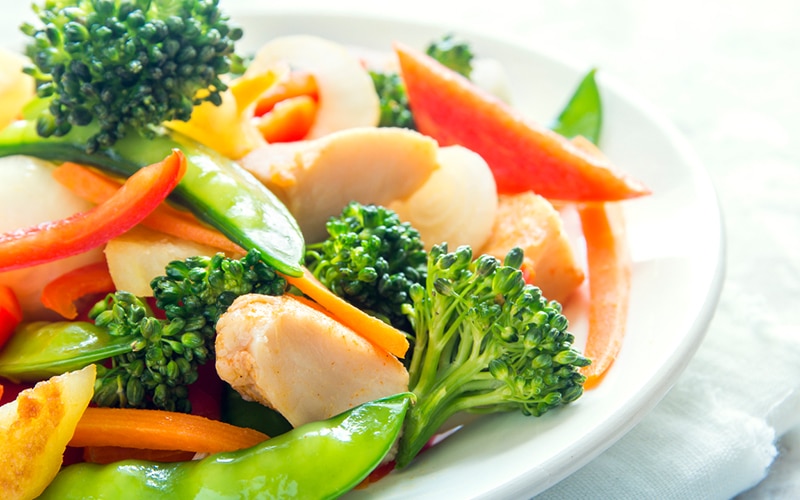
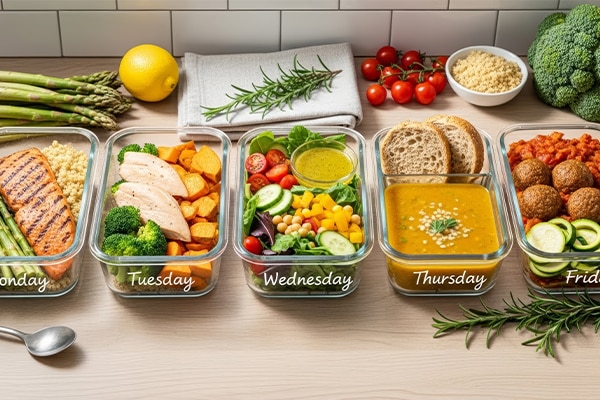
Base: Roast tray of mixed veggies (carrot, broccoli, peppers, onion) + cooked wholegrain carbs (brown rice or quinoa).
-
Protein: Sheet-pan chicken thighs or chickpeas baked with spices.
-
Grab-and-go add-ons: Washed salad leaves, chopped cucumbers/tomatoes, a quick light yoghurt-herb dressing.
-
Assembly ideas:
○ Grain bowl (grain + veggies + protein + light dressing)
○ Wraps (same fillings, different format)
○ Quick soup: Using leftover ingredients to make a soup or add more water to leftover soup for another meal; portion it and chill/freeze.
Waste-less tactics that actually work
-
Plan around perishables first (e.g., leafy greens early in the week; sturdier ones e.g. root vegetables for later).
-
Cook once, remix twice: Repurpose ingredients into newer dish (e.g., roast vegetables → grain bowl → frittata).
-
Label & rotate (oldest to the front). When you put new food in the fridge, label them and move the older tubs to the front and place the newer ones behind. This way, the oldest meals are visible first and get eaten on time.
-
Freeze in flat bags to save space and defrost faster.
-
Right-size your shopping - using a list matched to your exact portions to avoid over purchase.
Start Meal Prepping Today!
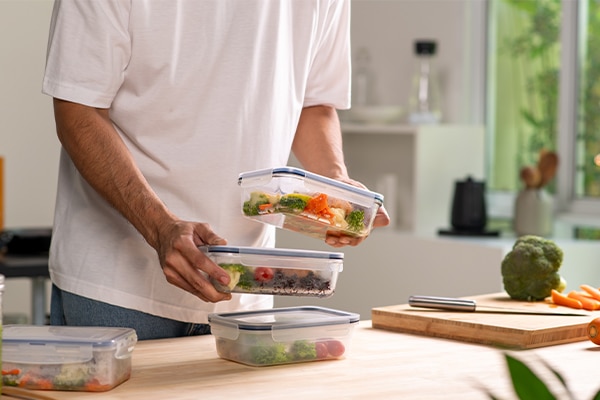
Meal prep is not about eating the same boring food every day. It’s about creating ready-to-go options that fit your lifestyle. With a little planning, you’re less stressed, spend less, and waste less. By planning just a few meals ahead, storing them safely, and using up what you already have, you build a routine that supports better nutrition and a lighter environmental footprint. Start small this week—prep one protein, one grain, and one tray of vegetables. The next time you open the fridge, you’ll be greeted by a healthy meal that’s already waiting for you. Check out these amazing recipes to try and start prepping today!
Sources:
- Food Standards Agency. (2017, December 18). How to chill, Freeze and Defrost Food Safely | Food Standards Agency. Www.food.gov.uk.
- Harvard T.H. Chan School of Public Health. Meal Prep Guide. The Nutrition Source.
- O’Connor, C. (2024). UNEP Food Waste Index Report 2024.
- Malaysia Dietary Guidelines (2020).
- U.S. Department of Agriculture. (2015, March 23). Refrigeration & Food Safety | Food Safety and Inspection Service. Www.fsis.usda.gov.