High Fibre Food

High Fibre Food: Small Changes, Big Impact on Your Health
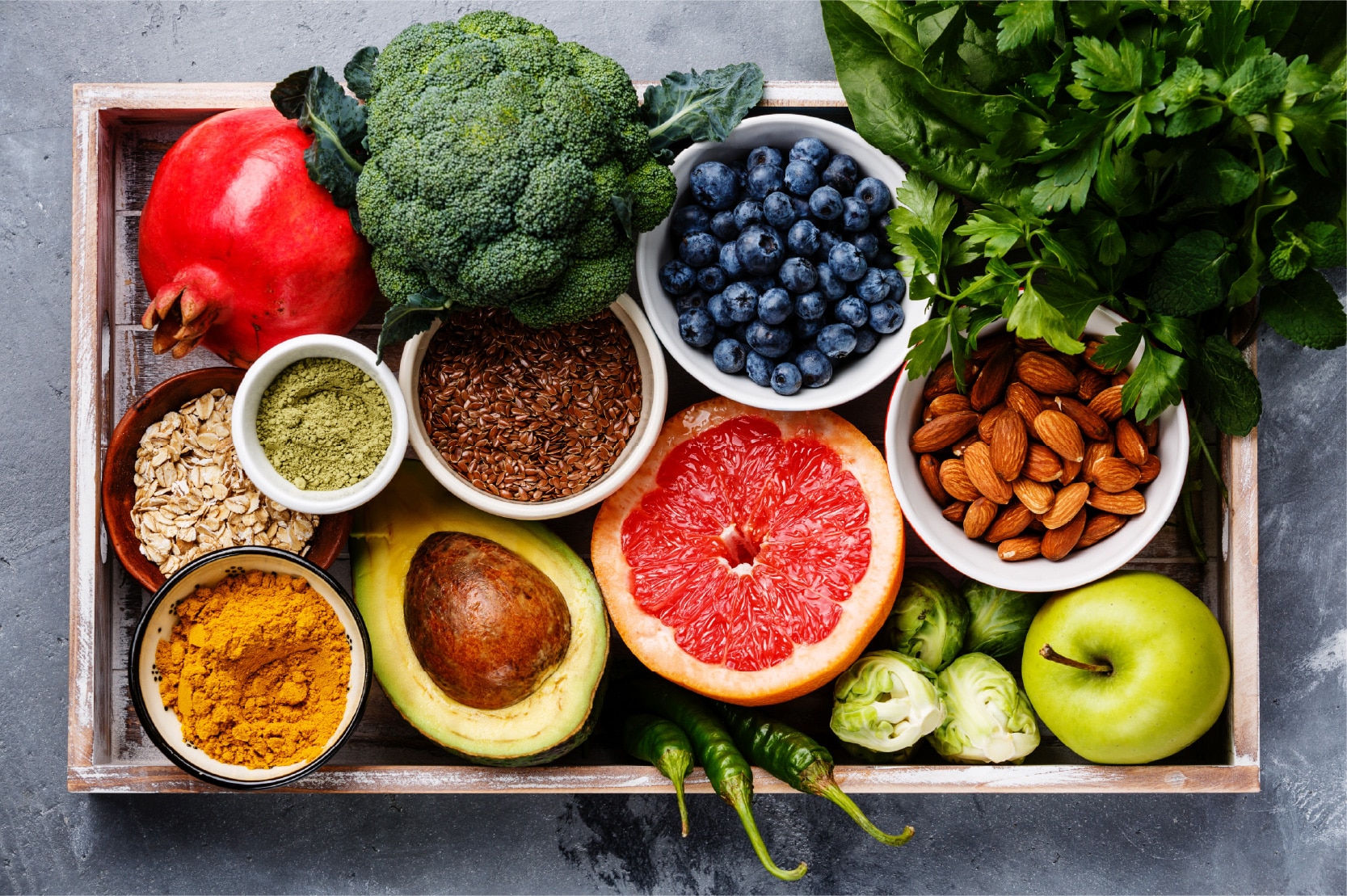
Want an easier way to feel fuller, support gut health, and protect your heart? Start with high fibre food. A few smart swaps or additions, such as whole grain over white, adding more beans, veggies over meats, and fruits over sugary snacks, can add up to meaningful and measurable health gains.
What is fibre and why it matters
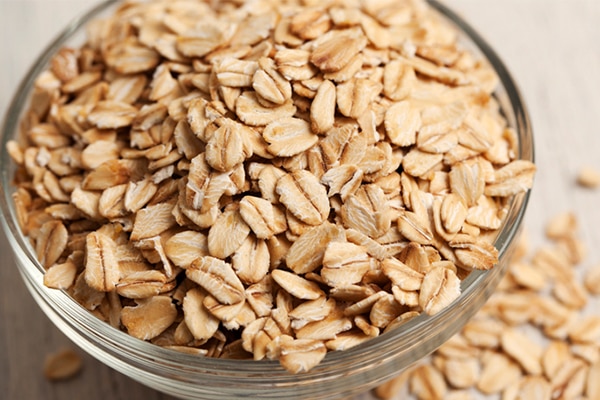
Dietary fibre is the indigestible part of plant food sources. It comes in two main types:
-
Soluble fibre: forms a gel in the gut, helping lower LDL cholesterol and smooth out blood-sugar spikes. Great sources include oats, barley, beans, lentils, apples, citrus, and psyllium.
-
Insoluble fibre: adds bulk to stool and support regular digestion (keeps things moving); you can think of whole-wheat, brown rice, nuts, seeds, and most vegetables.
Eating more fibre is linked to better health. People who consume the most fibre have about 15–30% lower risk of major chronic diseases like heart disease, stroke, type 2 diabetes, and colorectal cancer vs those who eat the least.
Proven benefits of high fibre food
-
Heart health: Higher fibre intakes are linked with fewer cardiovascular events and lower LDL cholesterol.
-
Blood sugar control: Fibre slows digestion and helps blunt glucose spikes—useful for diabetes management.
-
Weight management: Fibre helps you feel full longer and supports weight management
-
Digestive health: Prevents constipation and supports a diverse gut microbiome. Find out more about gut health.
High fibre food list (easy everyday picks)
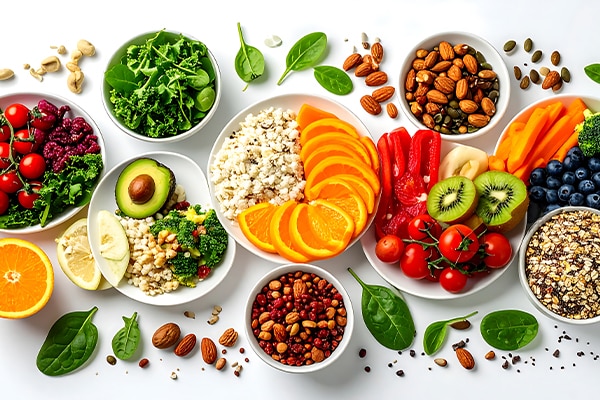
-
Whole grains
E.g. Nestle Breakfast cereal, Brown rice, wholemeal bread, wholegrain noodles, oats, and barley. -
Legumes
E.g.Tempeh, tofu, chickpeas, lentils, red beans, green beans, and black-eyed peas -
Fruit
E.g. Guava, papaya, banana, dragon fruit, apple, pear, and orange; eat the skin if it’s edible for higher nutritional benefits. -
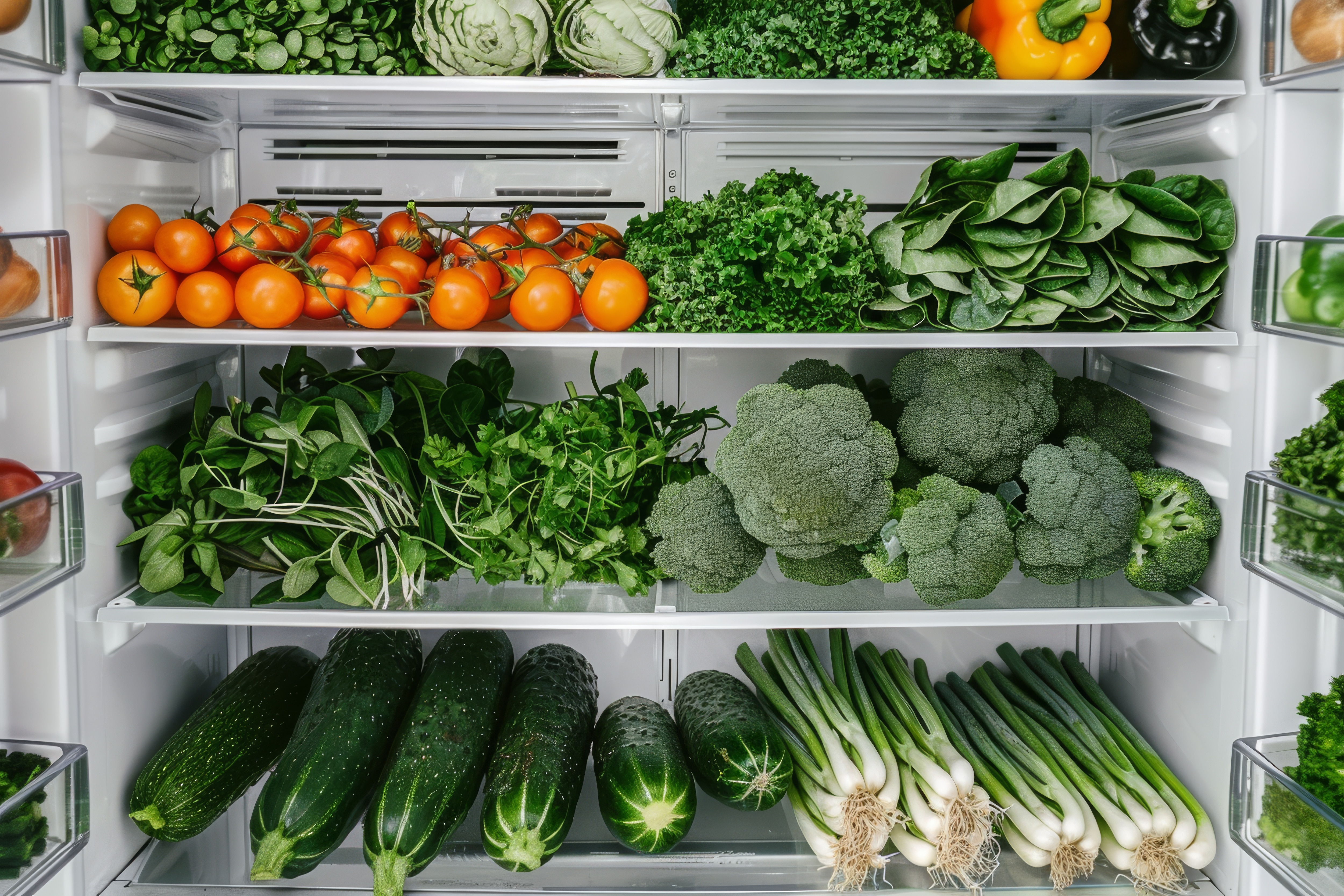
Vegetables
E.g.Kangkung, sawi, spinach, okra (lady’s fingers), long beans, pumpkin, and sweet potato. -
Nuts & seeds
E.g. Peanuts, almonds, sunflower seeds, chia seeds, and sesame seeds.
7 small swaps that make a big difference
-
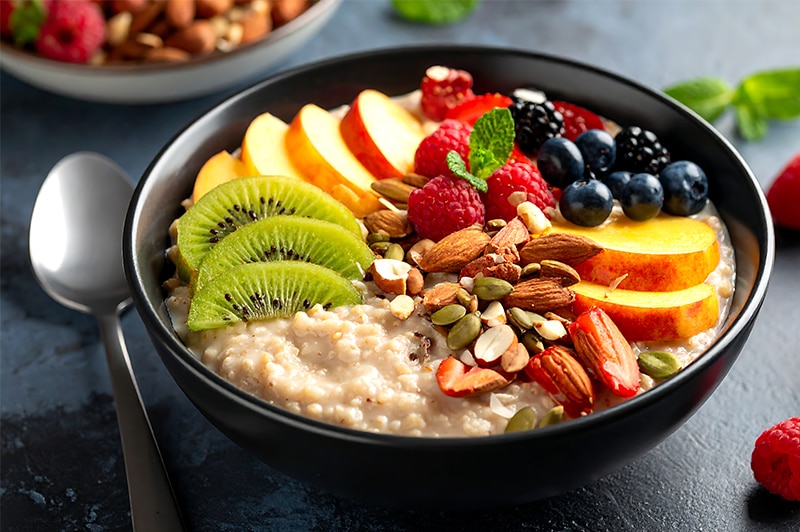
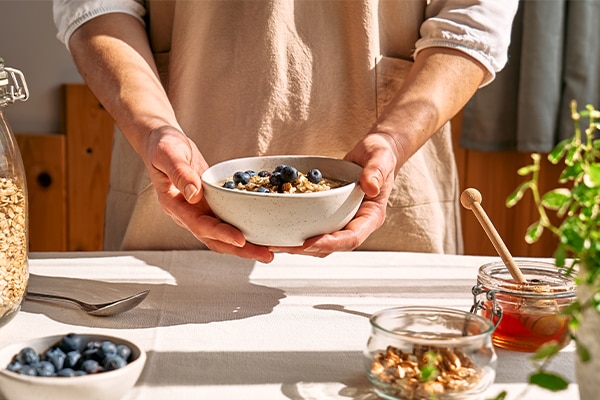
Breakfast: Go for Nestle Breakfast cereal and pair with a serving of fruit or you can opt for Oatmeal + berries + nuts
-
Grains: Brown rice or quinoa instead of white rice
-
Bread: Whole-grain or seeded loaf instead of white.
-
Protein: Beans or lentils instead of meat.
-
Snacks: Fruit + nuts instead of crisps or chips.
-
Pasta night: Whole-grain pasta, toss in chickpeas and veggies.
-
Top-ups: Add chia/flax to smoothies or yogurt.
Who Should Be Eating High Fibre Food?

While certain groups gain more by increasing their daily fibre intake, nevertheless everyone should be incorporating high fibre foods. Adults experiencing constipation or irregular bowel movements typically find relief when they gradually consume fibre from whole grains, vegetables, legumes, and fruits. Older adults, whose digestive system tend to slow with age, may also need more fibre rich foods to support healthy elimination and maintain a healthy gut. Even healthy individuals with active lifestyles benefit from fibre to maintain stable energy levels and support an overall healthy well-being.
Start Small, Feel the Difference
Incorporating high fibre food into your daily meals doesn’t require a complete diet overhaul—just consistency and small steps. Each swap you make, brings you closer to better digestion, steadier energy, and long-term health. Check out this ABC guide for a better diet. Think of fibre as your body’s natural support system—it keeps everything running smoothly from your gut to your heart. Start today by adding just one high fibre food choice to every meal, and over time, you’ll feel the difference in your energy, mood, and overall well-being.
Sources:
- Medline Plus. (2016). Soluble vs. insoluble fiber: MedlinePlus Medical Encyclopedia. Medlineplus.gov.
- Catanese, L. (2024, March 4). Foods high in fiber: Boost your health with fiber-rich foods. Harvard Health Publishing.
- Reynolds, A., Mann, J., Cummings, J., Winter, N., Mete, E., & Te Morenga, L. (2019). Carbohydrate quality and human health: a series of systematic reviews and meta-analyses. Lancet (London, England), 393(10170), 434–445.
- Recommended Nutrient Intakes for Malaysia (2017).