Understanding Hypertension: What You Need to Know About High Blood Pressure


What Is Hypertension?
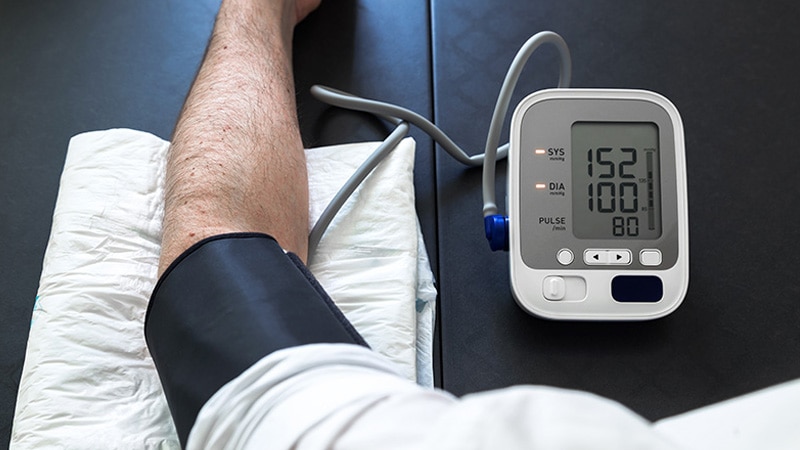
Hypertension is also commonly known as high blood pressure. Blood pressure is the force of blood pushing against the walls of your arteries as your heart pumps. It is measured as two numbers: the top number (systolic) measures the pressure when your heart beats, and the bottom number (diastolic) measures the pressure when your heart rests between beats. A healthy reading is generally below 120/80 mmHg.
When that reading consistently reaches 140/90 mmHg or above, it is classified as hypertension, or high blood pressure. According to Malaysia's National Health and Morbidity Survey (NHMS) 2023, about 6.7 million Malaysian adults, roughly 1 in 3, are living with hypertension. What makes this especially concerning is that many people have no idea they have it.
Why Hypertension Is Called the Silent Killer
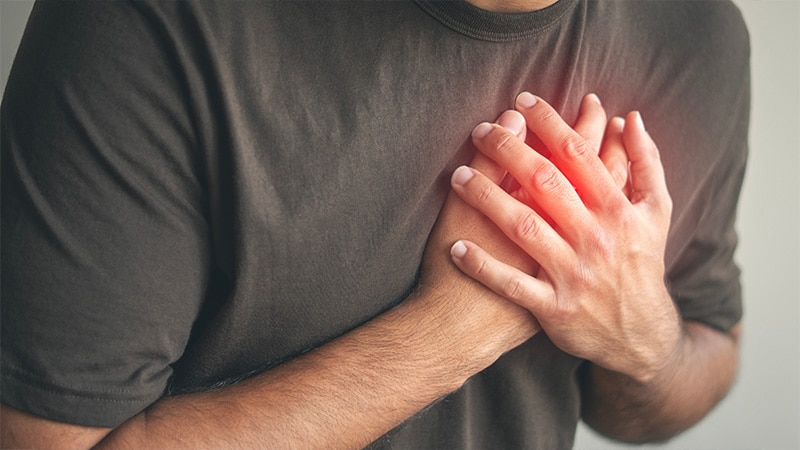
Hypertension rarely causes noticeable symptoms. You will not feel it the way you feel a headache or a fever. That is why it has earned the nickname 'silent killer'. Many Malaysians, particularly those aged 18 to 39, are walking around with high blood pressure without knowing it.
Over time, unmanaged hypertension quietly puts extra strain on your heart, blood vessels, and kidneys. Left unchecked, it significantly raises the risk of heart attack, stroke, and kidney disease. In fact, the World Health Organization (WHO) reports that the number of people worldwide living with hypertension has doubled in the last 30 years, now reaching 1.3 billion. Closer to home, ischaemic heart disease and stroke remain among Malaysia's leading causes of death, with high blood pressure as a key driver.
What Causes Hypertension?

There is no single cause of hypertension. It usually develops over time as a result of a combination of lifestyle habits and, in some cases, family history. Here are some of the most common risk factors to be aware of:
Too much salt in your diet is one of the biggest culprits. Research from the Malaysian Community Salt Study found that 4 in 5 Malaysian adults consume more salt than the WHO-recommended daily limit, with an average intake of around 7.9 g per day. That is a lot, especially when you consider how much sodium is hiding in everyday Malaysian favourites like soy sauce, and preserved snacks.
Other risk factors include being physically inactive, smoking, drinking too much alcohol, being overweight, and experiencing chronic stress. Getting older also plays a role, as blood vessels naturally become less flexible with age.
How Do You Know If You Have Hypertension?

The only way to know your blood pressure is to check it. Many pharmacies and community health clinics (klinik kesihatan) across Malaysia offer free blood pressure checks. If you are 30 years old or above, it is a good idea to get checked at least once a year. If your previous readings have been on the higher side, more frequent monitoring is recommended.
If you have a blood pressure monitor at home, make sure to sit quietly for five minutes before taking a reading, rest your arm at heart level, and avoid caffeine or exercise for at least 30 minutes beforehand. This helps ensure a more accurate result.
Small Changes Make a Real Difference
Here is something worth knowing: hypertension is not just manageable; it is often preventable. Simple, consistent lifestyle changes can do a lot to bring your blood pressure down, and sometimes enough to avoid medication altogether.
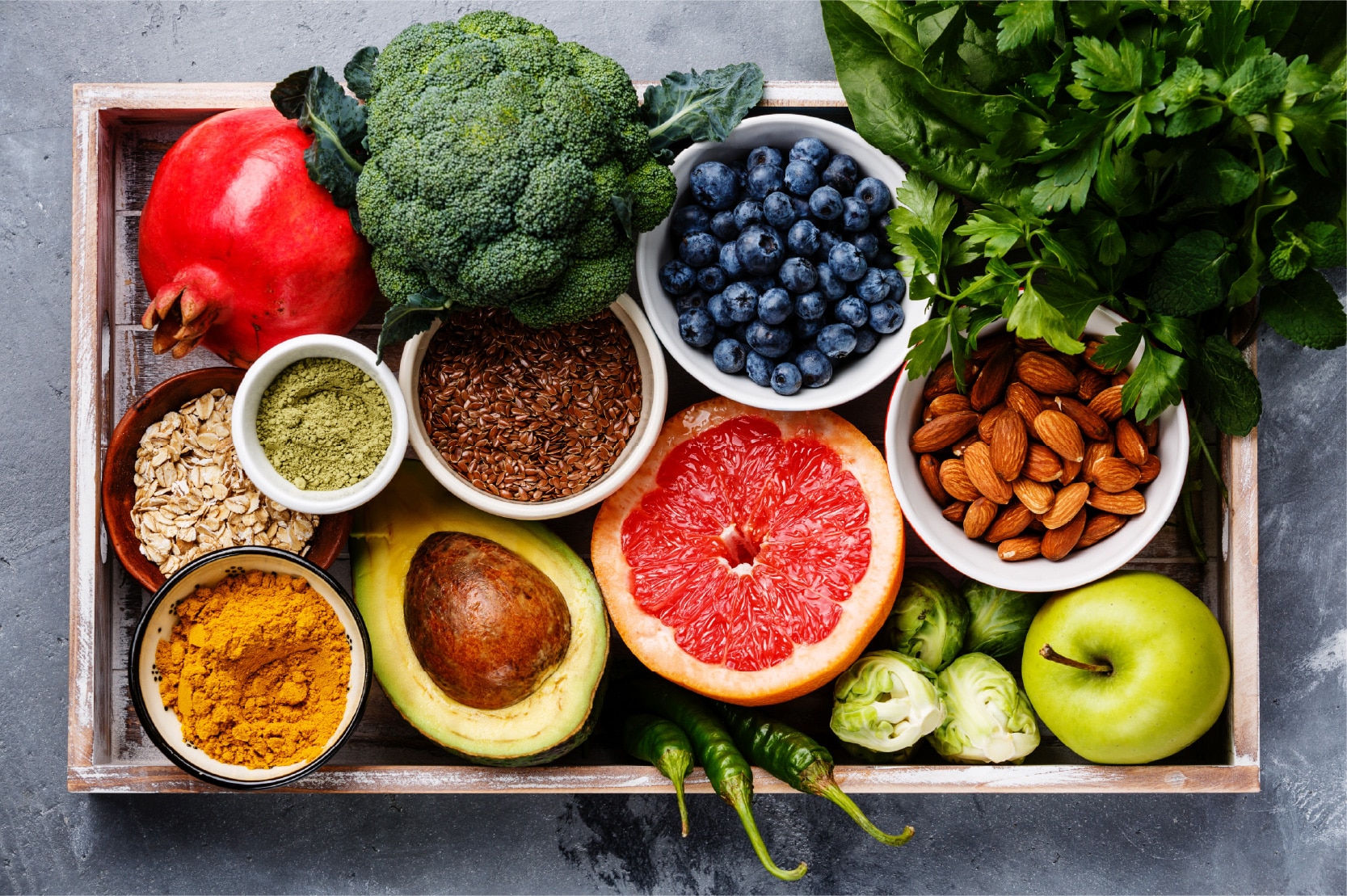
Eating well is a great place to start. A dietary approach called the DASH diet (Dietary Approaches to Stop Hypertension) has been shown in clinical trials to reduce blood pressure within just weeks. It is not about strict rules. Instead, it focuses on eating more fruits, vegetables, whole grains, and lean proteins, while cutting back on salt, saturated fat, and added sugars. For Malaysians, this could be as simple as choosing a vegetable-packed meal over a heavily seasoned one, or seasoning food with herbs and spices instead of extra soy sauce.
Moving your body regularly also goes a long way. You do not need to run marathons. Even a 30-minute brisk walk each day can help lower your blood pressure over time. Aim for at least 150 minutes of moderate activity each week.
Sleep matters more than you might think too. A large review of over 173,000 adults found that sleeping fewer than 6 hours a night is linked to a higher risk of hypertension. If you are regularly skimping on sleep, it is worth making rest a priority.
Stress management is another piece of the puzzle. Chronic stress keeps your body in a state of tension, which can raise blood pressure over time. Simple techniques like deep breathing, gentle stretching, or even a short walk can help your body reset.
What Should You Be Eating (and Avoiding)?

When it comes to hypertension, what is on your plate matters. Load up on potassium-rich foods like bananas, sweet potatoes, and leafy greens such as spinach. These help your blood vessels relax and balance out the effects of sodium in your body. Nuts, seeds, and whole grains that are high in magnesium are also a great addition to your daily meals.
On the other hand, try to cut back on salty processed foods, pickled items, and preserved meats. Get into the habit of checking nutrition labels when grocery shopping. As a general rule, look for products with less than 120 mg of sodium per 100 g.
When Should You See a Doctor?
If your blood pressure readings are consistently at 140/90 mmHg or above, it is time to make an appointment with your doctor. A healthcare professional can help assess your overall risk, recommend personalised lifestyle changes, and decide whether medication is needed.
Do not wait for symptoms. Visiting your nearest klinik kesihatan or GP for a blood pressure check is a simple step that could make a big difference to your long-term health.
Take the First Step Today

Managing hypertension does not have to feel overwhelmed. Whether it is eating one less salty meal this week, going for an evening walk, or finally booking that blood pressure check, every positive step counts. Over time, these small, meaningful choices add up to a healthier, happier you.
According to the WHO, improving hypertension treatment rates could prevent up to 76 million deaths globally between 2023 and 2050. That starts with awareness, and it starts with you.
References
-
Institute for Public Health, Ministry of Health Malaysia. National Health and Morbidity Survey (NHMS) 2023.
-
World Health Organization. Global Report on Hypertension: The Race Against a Silent Killer. Geneva: WHO, 2023.
-
Ahmad MH, et al. High sodium food consumption pattern among Malaysian population. Malaysian Community Salt Study (MyCoSS). Journal of Health, Population and Nutrition, 2021.
-
Daley S, et al. The DASH Diet: A Guide to Managing Hypertension Through Nutrition. StatPearls / NCBI. Updated 2025. (Includes 2025 AHA/ACC guideline references.)
-
Meta-analysis of 173,734 adults: Short sleep duration and hypertension risk. Medscape, 2025.