
What Is a Carbon Footprint?
Have you ever thought about how your daily choices affect the environment? From driving to work, ordering food delivery, and even switching on the air conditioner contributes to your carbon footprint.
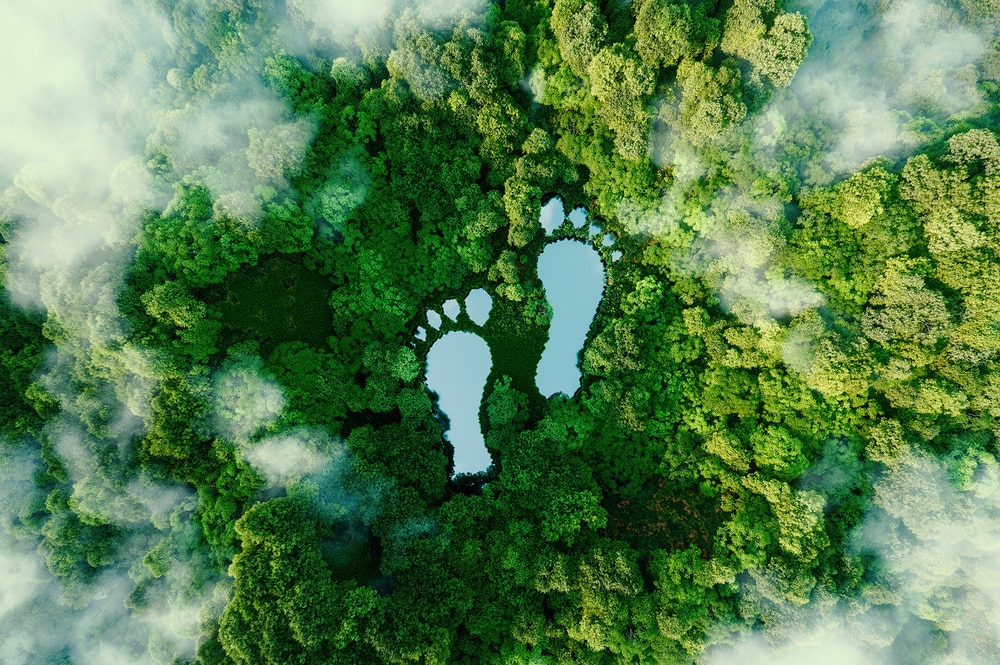
Carbon footprint refers to the total amount of greenhouse gases, mainly carbon dioxide, released into the atmosphere as a result of your activities. Sounds technical, but here's the simple version: your lifestyle choices leave a mark on the planet. The good news is that small, conscious changes really do add up — especially when millions of people start making them together.
Why Carbon Footprint Matters?
Climate change isn't some distant, abstract idea for us anymore. We're living it:
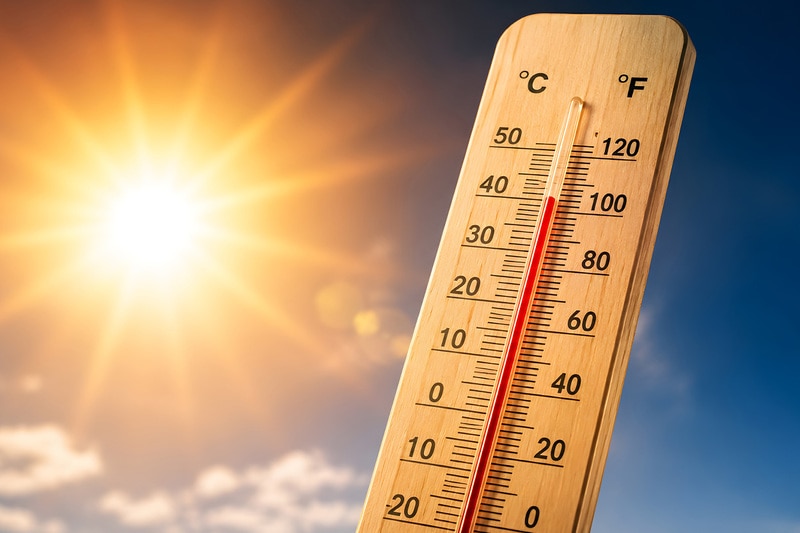
● Hotter days and longer heatwaves
● Heavier monsoon rains and more frequent flooding
● Rising sea levels along our coastlines
As a fast-growing nation, our energy use, transport habits, and consumption patterns all play a part. In fact, the average Malaysian's carbon footprint is now around 8 tonnes of CO2 a year. That is higher than the global average of roughly 4.7 tonnes, largely because of our energy-intensive industries and heavy reliance on private vehicles.
Here's the part worth holding onto: you don't need a complete lifestyle overhaul to make a difference. It starts with a bit of awareness and a few small steps.
Where Does Your Carbon Footprint Actually Come From?
For most of us in Malaysia, emissions mainly come from three parts of daily life.
Transport

Driving is one of the biggest contributors to our personal footprint. With so many Malaysians relying on cars every day, fuel use adds up fast and it's a big reason our per-capita emissions are among the highest in ASEAN.
Small switches can go a long way:
● Carpool when you can
● Hop on a public transport (buses, MRT/LRT) instead of driving
● Walk for short distances
Electricity at Home

Air conditioning, lighting, and appliances all draw electricity, and a large share of Malaysia's power still comes from fossil fuels. That means every kilowatt-hour has a footprint attached to it.
Easy changes here include:
● Setting your air conditioner to 24–25°C
● Choosing energy-efficient appliances
● Switching off and unplugging devices you're not using
Small habits, big impact and a bonus of a lower electricity bill too.
Food Choices
What's on your plate matters more than most people realise. Research consistently shows that meat and dairy, especially beef and lamb, carry a much heavier carbon footprint than plant-based foods, whether you measure it by weight, calories, or protein content. That's largely because of methane from livestock and the land needed to raise them.
You don't need to overhaul your diet overnight. Even swapping in 1–2 more plant-based meals a week can meaningfully shrink your footprint over time. A shift that studies suggest can matter more than choosing "local" food alone.
How Can You Reduce Your Carbon Footprint? (Without Overthinking It)
Anyone can play a part in reducing their carbon footprint. Here’s what you can do, starting today.
1. Make Smarter Everyday Choices

● Bring your own reusable bag or bottle
● Plan meals ahead to cut down on food waste
● Choose local products where you can
These may seem like small, low-effort changes, but they add up fast when repeated daily.
2. Be More Energy-Aware at Home
● Turn off lights and unplug devices when not in use
● Switch to LED lighting
● Keep an eye on your electricity usage
You'll shrink your footprint and your bill at the same time.
3. Rethink Your Transport Habits

● Combine errands into a single trip instead of several
● Use public transport when it's convenient
● Consider hybrid or EV options down the road
Even cutting a few car trips a week helps more than you'd think.
4. Choose Brands That Share Your Values
As a consumer, you have more influence than you might realise. When you support brands committed to sustainability, through responsible sourcing, reduced packaging, or climate action, you help push the whole industry to do better.
Small Habits, Big Collective Impact
It's easy to feel like one person's actions don't matter much in the grand scheme of things. But picture this:
● Millions of Malaysians saving electricity
● Families cutting down on food waste
● Communities choosing more sustainable options, together
That's how real, measurable change happens. Sustainability isn't about being perfect; it's about being consistent. Reducing your carbon footprint isn’t about doing everything at once. You can start small:
● Switch off one extra light
● Cut down one car trip a week
● Add one plant-based meal to your routine
What matters most is taking that first step and building from there.
Start Today!

Understanding your carbon footprint isn't about guilt. It's about empowerment.
Because once you understand the impact of your choices, you also realise just how much power you have to create change, one small habit at a time.
References
1. TheGlobalEconomy.com. (2024). Malaysia CO2 emissions per capita. https://www.theglobaleconomy.com/Malaysia/Carbon_dioxide_emissions_per_capita/
2. The Star. (2026). Interactive: Malaysia is 3rd in Asean for carbon dioxide emissions. https://www.thestar.com.my/news/nation/2026/06/24/interactive-malaysia-is-3rd-in-asean-for-carbon-dioxide-emissions
3. Our World in Data. (2020). CO2 and greenhouse gas emissions: Malaysia country profile. https://ourworldindata.org/co2/country/malaysia
4. Our World in Data. (2022). Environmental impacts of food production. https://ourworldindata.org/environmental-impacts-of-food
5. Our World in Data. (2020). Less meat is nearly always better than sustainable meat, to reduce your carbon footprint. https://ourworldindata.org/less-meat-or-sustainable-meat
6. Our World in Data. (2020). You want to reduce the carbon footprint of your food? Focus on what you eat, not whether your food is local. https://ourworldindata.org/food-choice-vs-eating-local
7. International Energy Agency. (2024). Malaysia — countries & regions. https://www.iea.org/countries/malaysia/emissions
Note: Data points on Malaysia's carbon footprint and emissions are drawn from third-party research organisations (World Bank, Our World in Data, IEA) and news reporting current as of 2026. Figures should be refreshed periodically as new data is published.